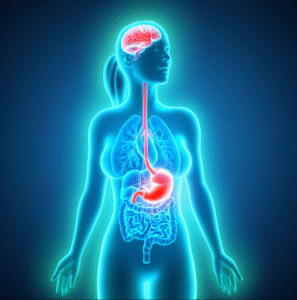
Living with chronic acid reflux can feel like an uphill struggle. The persistent burning, disrupted sleep, and constant dietary vigilance often lead to more than just physical discomfort. Over time, these symptoms can create a heavy emotional toll, leaving many feeling stuck in a cycle of low energy and helplessness. While traditional advice focuses on managing reflux as a physical issue, it often overlooks its connection to mental health. Chronic reflux doesn’t just affect the stomach – it disrupts the gut-brain axis and gut health, impacting mood and motivation. The good news? Small, gentle movements can help break this cycle, offering a path toward renewed energy and optimism. Let’s explore how minor physical activity can support both digestion and emotional well-being.
TL;DR:
The Cycle: Chronic reflux and depression feed into each other. Reflux disrupts sleep, fuels body-wide inflammation, and impairs protein digestion (limiting the building blocks for serotonin), while depression alters decision-making, promotes poor posture, and encourages acid-triggering comfort foods.
The Fix: Gentle physical activity breaks this loop by lowering systemic inflammation, clearing stomach contents faster, and releasing mood-boosting endorphins. It also stimulates the vagus nerve to switch the body out of a reflux-inducing stress state.
How to Exercise Safely: Commit to an upright, low-impact “5-minute window” of movement (e.g., walking or light cycling) to let gravity keep acid down. Avoid high-impact routines, heavy lifting, bending, or twisting.
The Long-Term Goal: Focus on consistency over intensity, aiming for 150 minutes of gentle weekly activity. Pair this with pre-meal diaphragmatic breathing to actively calm the nervous system and strengthen the stomach valve.
When Reflux and Depression Overlap
Chronic reflux and depression are not just coincidental conditions – they actively influence and worsen each other, creating a cycle that can feel relentless. This relationship, often described as a “carousel”, means that as one condition intensifies, it aggravates the other. Studies repeatedly show a direct link: the more severe the reflux symptoms, the more pronounced the anxiety and depression.
But the connection goes beyond the frustration caused by physical symptoms. Reflux disrupts sleep, which can lead to increased anxiety and a persistently low mood. Additionally, inflammation in the esophagus can trigger widespread inflammation throughout the body, a process closely tied to depression. Poor digestion caused by reflux also interferes with breaking down proteins into amino acids like lysine, which are vital for gut bacteria to produce serotonin and GABA. These neurotransmitters play a key role in mood regulation and stress management. Without them, energy wanes, stress increases, and the body struggles to repair itself. Understanding these mechanisms sheds light on why reflux and depression can feel so inescapably linked.
How Chronic Illness and Low Mood Feed Each Other
The interplay between reflux and depression underscores the importance of gentle, restorative actions to disrupt this cycle. Stress and anxiety throw the autonomic nervous system off balance, pushing the body into a fight-or-flight mode. This heightened state of arousal disrupts normal stomach function, weakening the valve that keeps stomach acid contained. As a result, acid escapes into the esophagus, causing inflammation and making the tissue more vulnerable to damage. Compromised motor function further prevents the body from clearing acid efficiently.
Depression worsens this dynamic by increasing esophageal sensitivity through the gut-brain connection. Even mild reflux episodes can feel disproportionately painful due to this heightened sensitivity. The physical pain then intensifies emotional distress, creating a feedback loop where each condition amplifies the other.
Long-term use of acid-blocking medications, while offering temporary symptom relief, can unintentionally worsen this cycle. Proton pump inhibitors (PPIs) and similar drugs can hinder the absorption of essential minerals like magnesium and calcium, which are crucial for energy and nervous system function. Reduced stomach acid also impairs protein digestion, limiting the availability of amino acids needed by gut bacteria to produce mood-stabilizing neurotransmitters. With over 20% of Americans using acid blockers, this medication reliance may contribute to the ongoing challenges of depression and fatigue.
How Depression Blocks Motivation
Reflux’s physical toll often leads to mental barriers that make managing symptoms even harder. Depression doesn’t just create sadness – it alters how the brain processes decisions and handles stress. It tends to focus attention on worst-case scenarios and heightens feelings of helplessness, making even small steps toward managing reflux feel insurmountable. Tasks like preparing reflux-friendly meals, practicing relaxation techniques, or engaging in light exercise may seem overwhelming.
Depressive behaviors can also worsen reflux symptoms. For instance, low mood often drives people to seek comfort in foods like chocolate, caffeine, or fatty snacks, all of which weaken the valve between the stomach and esophagus, leading to more reflux episodes. Depression also promotes inactivity and poor posture. Many people unconsciously hunch over, which can strain the lower esophageal sphincter and reduce the effectiveness of diaphragmatic breathing.
Perhaps most challenging, depression is linked to a reduced response to standard reflux treatments. Research shows that individuals with high levels of psychological distress often find medications and lifestyle changes less effective compared to those with lower stress levels. This diminished response can deepen feelings of frustration and hopelessness. However, small, consistent efforts – such as gentle movement – can gradually help break this cycle, offering a way to regain energy and motivation.
How Movement Breaks the Cycle
Physical activity provides an effective way to disrupt the cycle of reflux-related depression, even when finding motivation feels impossible. The focus doesn’t need to be on intense workouts; instead, gentle and consistent movement can work wonders. Light activity encourages the release of neurotransmitters, calms the nervous system, and improves digestion. This approach supports both physical recovery and mental strength without overwhelming the body.
Physical Benefits: Endorphins and Stress Relief
Exercise naturally boosts serotonin levels, often referred to as the “happy hormone”, which enhances overall well-being and helps combat depressive symptoms. Even light activities, such as walking or gentle stretches, can trigger this effect. Additionally, these movements, combined with diaphragmatic breathing, stimulate the vagus nerve – a critical pathway for shifting the body from a stressed state into a calm, restorative one. This not only soothes the nervous system but also strengthens digestion and reduces the stress-induced weakening of the lower esophageal sphincter.
Gentle activities offer specific benefits for digestion as well. For instance:
- They stimulate saliva production, which helps neutralize stomach acid.
- Rhythmic, low-impact movement promotes gastric motility, aiding food in moving through the digestive system efficiently and preventing acid reflux.
- Diaphragmatic breathing gently massages internal organs and fortifies the diaphragm, enhancing support for the lower esophageal sphincter.
Studies suggest that moderate-intensity exercise – about 150 minutes per week – can lower the risk of developing GERD. Additionally, losing even five pounds can significantly ease heartburn symptoms by reducing pressure on the stomach. While these physical improvements are essential, the mental benefits of movement are just as impactful.
Mental Benefits: Small Wins Build Momentum
Movement doesn’t just transform the body – it also shifts the mind. Accomplishing even small physical tasks, like a short walk or a few minutes of stretching, can feel like a meaningful achievement. These small victories are especially powerful when depression makes everything seem overwhelming or pointless. Each completed action serves as proof that progress is possible, gradually restoring confidence and hope.
This process works because it doesn’t rely on motivation. Depression often convinces you that trying is futile, but movement doesn’t require defeating those thoughts – it only requires taking one small step. Once you begin, your body’s natural responses kick in, releasing endorphins and activating calming mechanisms that willpower alone can’t access. Over time, these small actions create a ripple effect, making it easier to approach other aspects of reflux management, like preparing healthier meals or practicing complementary treatments for GERD like stress-reduction techniques. These incremental successes not only improve your mood but also empower you to take charge of your overall well-being.
How to Start Moving When You Feel Stuck
When dealing with the dual challenges of depression and reflux, finding the energy to move can feel almost impossible. Instead of focusing on traditional workouts, try shifting your perspective. Look for small, manageable opportunities to move, signaling to your body and mind that movement is both possible and safe.
Find Your 5-Minute Window
Starting small can make all the difference. The idea of a “five-minute window” is simple yet effective: instead of aiming for a full workout, commit to just a brief moment of movement. This could be in the morning before negative thoughts take hold, during your lunch break, or even while waiting for your coffee to brew. The exact timing isn’t as important as making it doable.
If five minutes feels like too much, start with just one. Take a short walk to the end of your driveway or down the hallway and back. Even these tiny efforts can spark the energy needed to keep going. Studies have shown that walking for an hour or running for just 15 minutes a day can reduce the risk of major depression by 26%. Additionally, for every 1,000 extra steps you take daily, the risk of depression decreases by 9%.
Safe, Simple Movements for Reflux
When managing reflux, it’s vital to choose movements that work with your body rather than against it. High-impact exercises can increase abdominal pressure, pushing acid into the esophagus, so it’s best to avoid them. Instead, focus on activities that keep your body upright, using gravity to help keep stomach acid where it belongs.
Walking is an excellent option, especially after meals, as it promotes digestion and helps with gastric motility. Light jogging can also be helpful, as it encourages saliva production, which naturally neutralizes acid, while supporting smoother digestion. Upright stationary biking is another good choice, as it maintains a posture that minimizes acid backflow.
Diaphragmatic breathing is worth exploring as well. This gentle practice strengthens the lower esophageal sphincter and soothes the digestive system. Swimming offers a low-impact way to move and strengthen the diaphragm without causing strain. If yoga or Pilates is your preference, focus on poses that keep your torso upright and avoid inverted positions, such as downward-facing dog, which can exacerbate reflux.
To minimize discomfort, wait at least one to two hours after eating before starting any activity, and wear loose-fitting clothing to avoid compressing your midsection. If reflux flares up during movement, standing upright can help encourage acid to settle back where it belongs.
Why Frequency Matters More Than Intensity
Once you’ve identified safe movements, the next step is to make them part of your daily routine. Avoid waiting for the energy or time needed for a full workout – this mindset often leads to inaction. Depression thrives on all-or-nothing thinking, and aiming for perfection can make starting feel impossible. Instead, focus on consistency.
Short, gentle movements help build confidence without overwhelming your system. They also signal to your nervous system that your body is safe, gradually breaking the cycle of depressive shutdown.
Consistent movement, even at a moderate pace, can significantly impact both mental health and reflux management. For example, 150 minutes of gentle activity per week can lower GERD risk, and adults who take more than 7,500 steps a day are 42% less likely to experience depressive symptoms. These steps don’t have to be completed all at once; small increments throughout the day add up. Even if daily movement feels out of reach, research shows that weekend-only activities can still provide meaningful benefits.
The physical benefits of regular gentle movement – like improved digestion, increased saliva production, and stronger diaphragm function – develop over time. Alongside these, the psychological benefits grow too. Each small step reinforces the idea that progress is possible, making it easier to take the next one.
Making Movement Part of Your Daily Routine
Once you’ve pinpointed small opportunities for movement, the next step is to seamlessly incorporate them into your daily life. A routine that’s flexible and low-pressure can help you stay consistent while accommodating your energy levels and managing reflux symptoms.
Creating a Flexible Schedule
Rather than sticking to rigid workout times, try pairing short bursts of movement with daily activities through habit stacking. For example, take a quick walk after breakfast or during a coffee break. Parking farther from your destination or opting for stairs instead of elevators are easy ways to add movement without setting aside extra time.
Plan these activities during times when your energy naturally peaks, like in the morning or afternoon, to make them more sustainable. The key is regularity, not the exact timing.
If committing to a full session feels like too much, break it into smaller chunks. Three 10-minute walks spread throughout the day can deliver the same benefits as a single 30-minute session. This approach can feel more manageable, especially on days when energy is low or reflux symptoms flare up.
Once your schedule feels adaptable and consistent, the next step is tuning in to your body’s needs.
When to Rest During Flare-Ups
Paying attention to your body is especially important during reflux flare-ups. If symptoms worsen, it’s okay to ease up. Replace your usual walk with gentle stretching or slow, easy movements around the house. Avoid exercises that involve bending, twisting, or putting pressure on your abdomen – like squats or heavy lifting – as these can increase intra-abdominal pressure and aggravate reflux.
If movement consistently worsens your symptoms, it might be time to consult a gastroenterologist to rule out any complications. Remember, resting isn’t a setback; it’s part of the process. Treat rest as a temporary pause, not a stop, and return to activity when you feel ready. During these breaks, consider practices like diaphragmatic breathing, which supports digestion and helps calm your nervous system without physical exertion.
Recognizing Your Progress
Tracking your progress can help keep you motivated. Use simple tools like a note on your phone, a calendar, or a fitness tracker to record your daily movement. Seeing tangible results, such as step counts or minutes of activity, can feel more rewarding than vague goals.
Celebrate every milestone, whether it’s fewer reflux symptoms, better energy, or an improved mood. Even small changes, like losing five pounds, can make a noticeable difference in reducing heartburn. Other wins, like improved sleep or feeling more comfortable in your body, are just as important. Think of movement as a way to thank your body rather than a task to complete. To keep things interesting, mix up your activities – walk one day, do some gardening the next, or try swimming another day – to avoid boredom and maintain enthusiasm.
Other Ways to Support Your Mental Health
While incorporating movement into your routine can disrupt the cycle of reflux-related depression, combining this with professional guidance and gut-brain-focused strategies can enhance the healing process. These additional steps create a more comprehensive approach to managing both reflux and its emotional impact.
When to Seek Professional Help
If regular movement doesn’t alleviate ongoing sadness or anxiety, it might be time to reach out to a mental health professional. While exercise has been shown to help with mild to moderate depression, more severe cases often require therapy or medication. Depression can sap the energy needed to engage in activities that promote healing, creating a tough cycle to break. Professional support can provide the structure and tools necessary to move forward.
One effective option is Cognitive Behavioral Therapy (CBT). Research shows that CBT can minimize the amount of acid exposure in the esophagus by addressing psychological triggers that worsen reflux. This method tackles the two-way relationship between chronic illness and mental health – where reflux can lower mood, and stress can, in turn, exacerbate reflux symptoms. If you’re experiencing persistent issues like chronic insomnia, social withdrawal, or trouble concentrating for several weeks, seeking professional help becomes crucial.
Supporting Your Gut-Brain Connection
In addition to movement, focusing on the gut-brain connection can further enhance your progress. A healthy gut-brain axis is essential for maintaining balanced neurotransmitters, which play a key role in mood regulation.
Diaphragmatic breathing is one practical way to strengthen this connection. Deep belly breathing helps shift your body from a “fight-or-flight” mode to a “rest-and-digest” state by activating the parasympathetic nervous system. Try box breathing: inhale for four counts, hold briefly, and exhale for eight counts. This technique not only calms your nervous system but may also support the lower esophageal sphincter (LES), potentially easing reflux symptoms.
Other helpful strategies include sleeping on your left side to keep stomach contents lower, using digestive enzymes to ensure proper protein breakdown, and incorporating probiotics to restore gut bacteria that aid in producing mood-regulating neurotransmitters. These small yet impactful changes address the underlying causes of both reflux and depression, offering more than just temporary relief.
Moving Forward, One Step at a Time
When it comes to managing reflux and the emotional toll it can take, even the smallest actions can make a noticeable difference. A simple five-minute walk, a few deep breaths, or stretching after a meal can help reset both your digestive system and your mood. These small, intentional steps set off important physiological changes that can ease the discomfort of reflux while also lifting the mental fog that often accompanies it.
Reflux and low mood are closely connected, with each influencing the other. By engaging in gentle activities like diaphragmatic breathing or short walks after meals, you’re doing more than easing symptoms. These actions activate your body’s relaxation response, improve the function of the lower esophageal sphincter, and even boost serotonin levels. This approach recognizes the deep connection between body and mind, emphasizing that progress in one area naturally supports the other.
Progress might look different each day. On some days, simply getting out of bed might feel like an achievement. On others, you may feel up to trying a longer walk or experimenting with a reflux-friendly recipe. Both are steps forward. Consistent, gentle movement creates momentum, and celebrating these small victories – whether it’s tracking symptoms, practicing a breathing exercise, or seeking professional guidance – lays the groundwork for meaningful, lasting improvements.
As discussed earlier, nurturing the gut-brain connection is essential to managing reflux in a more comprehensive way. If you’re interested in diving deeper into this connection and exploring additional strategies, visit refluxsummit.com. The site offers insights from doctors, nutritionists, and other health professionals who take an integrative approach to reflux management, focusing on the whole body rather than just medication.
Healing from reflux and its emotional effects isn’t about being perfect. It’s about progress, patience, and showing yourself kindness as you move forward. Every small effort matters.
Frequently Asked Questions (FAQs)
How can chronic acid reflux contribute to feelings of depression?
Chronic acid reflux can influence mental health by disrupting sleep patterns, causing persistent discomfort, and increasing stress levels – all of which can take a toll on mood. Furthermore, the systemic inflammation associated with reflux may interfere with brain function and the regulation of mood. Living with a long-term condition like reflux can also lead to feelings of helplessness or even social isolation, creating a challenging cycle where reflux aggravates depression, and depression, in turn, amplifies reflux symptoms.
Why is physical movement often difficult but crucial when experiencing depression?
Depression often makes physical activity feel like an uphill battle. Symptoms such as slowed thinking, speech, and movement, combined with low energy and motivation, can make even the smallest tasks seem daunting. Yet, incorporating brief moments of movement can make a meaningful difference. Physical activity triggers the release of endorphins, helps alleviate stress, and can slowly disrupt the cycle of inactivity. Beginning with gentle, easy-to-handle exercises not only boosts energy but also supports emotional health, particularly for individuals dealing with depression linked to reflux.
What are ‘small bursts’ of physical movement, and how can they help with motivation?
Small bursts of physical movement refer to short, easy activities like light walking, stretching, or basic exercises that can seamlessly fit into your daily routine. These quick actions can lift your mood by triggering the release of endorphins and easing stress, both of which can aggravate reflux. Additionally, completing these small tasks provides a sense of accomplishment, often inspiring more activity as time goes on. By starting with manageable steps, movement feels less daunting, gradually rebuilding motivation and promoting overall wellness.
How can I start an exercise routine when I have low energy or motivation due to reflux and depression?
Starting an exercise routine when energy or motivation is low can seem daunting, but taking small, manageable steps makes all the difference. Start with gentle activities like slow-paced walking, light stretching, or deep breathing exercises. The goal is consistency rather than intensity – dedicating just a few minutes each day can make a positive impact. Pay attention to how your body feels, take breaks when necessary, and acknowledge even the smallest achievements. Over time, even minimal movement can help improve your mood and play a role in managing reflux symptoms.
Are there specific types of movement that are safe and beneficial for reflux sufferers?
Low-impact exercises are a safe and effective option for those dealing with reflux. Activities such as walking, gentle yoga, Pilates, and stationary cycling can help alleviate symptoms without putting unnecessary pressure on the abdomen. On the other hand, high-impact exercises like heavy weightlifting or routines that involve bending, twisting, or compressing the abdominal area should be avoided, as they can aggravate reflux. Incorporating gentle and regular movement into your routine can promote better gut health and provide symptom relief.
How does physical activity improve mood and potentially reflux symptoms?
Physical activity can uplift your mood by triggering the release of endorphins – natural chemicals in the body that help alleviate feelings of depression and anxiety, which are often associated with chronic reflux. Gentle activities, such as walking or practicing diaphragmatic breathing, are particularly effective in reducing stress, a major contributor to reflux symptoms. Beyond this, regular movement benefits the gut-brain connection, enhancing digestion and minimizing reflux episodes. It also provides a sense of achievement, motivating you to maintain healthy habits over time.
What strategies can help sustain consistency with movement for long-term benefits?
To keep up with regular movement, begin with simple and easy activities, such as taking short walks or doing light stretches. Over time, you can gradually increase the intensity or duration. Create a routine by weaving movement into your daily life and setting a schedule that works for you but allows flexibility. Pay attention to how your body feels – rest when necessary and avoid pushing yourself too hard. Celebrate small achievements, focus on steady progress rather than perfection, and lean on tools like reminders or support from friends and family to stay motivated and on track.