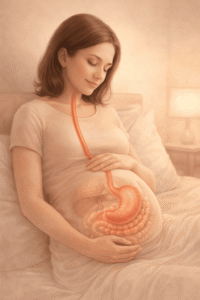
If stress makes your Laryngopharyngeal Reflux (LPR) worse, you’re not alone. Anxiety directly impacts digestion, though not all the time, it also increases acid production and makes reflux symptoms feel more intense. Studies show that 60.7% of patients with persistent LPR also experience anxiety or depression, creating a vicious cycle where stress worsens reflux, and reflux increases stress.
Here’s what happens:
- Stress activates the “fight or flight” response, disrupting digestion.
- It relaxes key muscles like the Lower Esophageal Sphincter (LES), allowing gastric contents to escape into the esophagus and throat.
- In LPR, the primary culprit isn’t acid itself, it’s pepsin, the digestive enzyme that remains active even in mildly acidic or neutral pH environments.
- Anxiety heightens sensitivity, so even minor reflux feels severe.
- Muscle tension and shallow breathing from stress can also worsen symptoms.
Breaking this cycle requires more than just medication or diet changes. Techniques like diaphragmatic breathing, vagus nerve stimulation, and mindfulness-based stress reduction (MBSR) can help regulate the nervous system and reduce symptoms. Research shows that combining stress management with standard LPR treatments improves outcomes significantly.
If you’ve tried everything and still struggle with symptoms, addressing stress might be the missing piece.
How Stress and Anxiety Affect LPR
Stress Effects on the Digestive System
When you’re stressed, your body activates the sympathetic nervous system, often referred to as the “fight or flight” response. This disrupts normal digestion by increasing stomach acid production, slowing down gastric emptying, and causing the lower esophageal sphincter (LES) – the muscle that keeps stomach contents where they belong – to relax prematurely.
Stress also triggers the release of corticotropin-releasing hormone (CRH), which can make your esophagus hypersensitive to even small amounts of acid. This means that reflux, which might not usually be noticeable, can become incredibly uncomfortable. Altogether, these effects create a cascade of digestive issues that can worsen LPR symptoms.
The Gut-Brain Connection
The communication between your brain and digestive system is controlled in part by the vagus nerve. Chronic stress can disrupt this connection, making it harder for diet changes alone to alleviate reflux. In fact, about 80% of individuals with “unexplained” reflux symptoms find relief only after addressing nervous system imbalances, rather than relying solely on dietary adjustments.
“You can’t diet your way out of nervous system dysregulation.” – Molly Pelletier, MS, RD, FLORA Nutrition
Stress hormones like cortisol and adrenaline exacerbate the problem by altering how the digestive system moves and reacts. Rather than just increasing acid, these hormones can trigger esophageal hypersensitivity, making the brain feel even small amounts of acid more intensely, and can disrupt the coordinated muscle waves that normally clear acid from the esophagus. This creates a vicious cycle where physical discomfort and the stress response reinforce each other, making symptoms feel more severe and harder to manage.
The Stress-LPR Cycle
LPR symptoms, such as frequent throat clearing or the sensation of a lump in the throat, often trigger anxiety. This anxiety, in turn, worsens reflux mechanisms and reduces the effectiveness of treatments like proton pump inhibitors (PPIs). Research shows that moderate to high stress nearly doubles the likelihood of experiencing acid reflux symptoms.
Stress can significantly worsen reflux through multiple pathways. Psychological factors like anxiety and depression are associated with increased visceral hypersensitivity, meaning patients become more aware of and bothered by normal esophageal sensations and minor reflux events.
However, it’s critical to understand that in many LPR cases, acid-suppressing medications are not the appropriate treatment choice in the first place. Unlike GERD, LPR is often driven by pepsin and bile reflux rather than acid itself. When symptoms persist despite PPI therapy, it’s frequently because the underlying problem isn’t acid—it’s non-acid reflux, pepsin activation in the throat tissues, impaired motility, or other mechanisms that proton pump inhibitors cannot address. Prescribing acid suppressants for these cases treats the wrong target entirely.
The frustration and worry caused by ongoing symptoms when patients are placed on ineffective treatments can further fuel the cycle, intensifying both anxiety and symptom perception. Breaking this cycle requires identifying the true drivers of LPR and addressing stress management alongside appropriate therapeutic approaches, which will be explored later.
Why Anxiety Triggers LPR Symptoms
Anxiety doesn’t just disrupt digestion – it can also worsen LPR (laryngopharyngeal reflux) by affecting sphincter function and causing muscle tension. Let’s break it down.
Lower Esophageal Sphincter Problems
Anxiety has a direct impact on the lower esophageal sphincter (LES), the muscle that prevents stomach contents from flowing back into the esophagus. When you’re anxious, your body enters “fight or flight” mode, activating the sympathetic nervous system. This heightened state can cause the LES to relax at the wrong times, a process known as transient lower esophageal sphincter relaxations (TLESRs). It also reduces pressure at the esophagogastric junction, making it easier for acid and stomach contents to reflux upward.
“Heightened sympathetic activity related to stress and anxiety leads to abnormal regulation of gastric peristalsis, resulting in transient relaxation of the esophageal sphincter.” – Barillari et al.
This dysfunction doesn’t just stop with the LES – it also affects the upper esophageal sphincter (UES), creating multiple weak points in the body’s natural reflux defenses. This sets up a cycle where anxiety and LPR feed into each other.
Muscle Tension and Breathing Changes
Anxiety often leads to muscle tension, especially around the throat and neck. This can cause a condition called Muscle Tension Dysphonia (MTD), where tightness in the paralaryngeal and suprahyoid muscles shifts the larynx’s position. This change affects the upper esophageal sphincter’s stability and ability to function properly, leaving the throat more vulnerable to reflux.
“Increased phonatory muscle tension affects the paralaryngeal and suprahyoid muscles, causing an altered position of the larynx within the neck… resulting in impaired stability and contractility of the upper esophageal sphincter.” – Barillari et al.
Breathing patterns also change with anxiety. Shallow breathing – a common symptom of somatic anxiety – keeps the body in a state of sympathetic dominance. This suppresses the “rest and digest” processes needed to maintain proper sphincter tone. Research shows that 42.2% of LPR patients meet the criteria for at least mild anxiety, and symptoms like difficulty breathing and choking sensations are more common in LPR patients than in those without the condition. These breathing changes further reinforce the anxiety-LPR connection, highlighting the importance of addressing nervous system regulation for relief, often through holistic gut health solutions.
Solutions for Managing Stress and LPR
Breaking the cycle between stress and Laryngopharyngeal Reflux (LPR) requires addressing both the nervous system and digestive system. Research reveals that nearly 80% of patients with “unexplained” reflux symptoms report noticeable relief only after tackling nervous system imbalances. Below are proven strategies to reduce stress and alleviate LPR symptoms.
Stress Reduction Methods
Combining Mindfulness-Based Stress Reduction (MBSR) and Cognitive Behavioral Therapy (CBT) with standard LPR treatments can significantly improve outcomes. A 24-month study involving 100 LPR patients highlighted this: those who added CBT and MBSR to their medication regimen experienced lower Reflux Symptom Scores (5.2 ± 1.1 vs. 7.8 ± 1.3) and reported a higher quality of life (70% vs. 50%) compared to those using medication alone.
“Psychological distress significantly influences LPR severity and treatment outcomes. Integrating CBT and MBSR with standard therapy enhances symptom relief.” – Sanjay Kumar, Department of ENT-HNS
Diaphragmatic breathing is another simple yet effective technique. Spend 5 minutes before meals practicing slow belly breathing – inhaling for 4–6 seconds and exhaling for 6–8 seconds. This practice stimulates the parasympathetic nervous system, preparing your digestive system to function more effectively. Activities like yoga or tai chi also help by reducing stress hormones and improving gastroesophageal motility.
Vagus Nerve Activation
The vagus nerve plays a key role in relaxation and digestive health. When stimulated, it increases the resting pressure of the esophageal sphincters, which are essential for preventing reflux]. A study conducted in March 2024 at The First Affiliated Hospital of USTC involved 44 LPRD patients using transcutaneous auricular vagus nerve stimulation (tVNS) twice daily for two weeks. Results showed a significant drop in Reflux Symptom Index scores – from around 24 to 13 – and improved upper esophageal sphincter pressure.
You can activate your vagus nerve at home with simple practices. Try humming or singing for 1–2 minutes daily, as the vibrations from your vocal cords stimulate the nerve. Splashing cold water on your face or neck after meals or in the morning can trigger a calming “vagal reset.” Additionally, gently massaging the outer ridge of your ear, especially near the tragus, can provide similar benefits.
Combined Treatment Approach
For optimal results, combine dietary adjustments, standard medications, and stress management techniques. Research shows that standard LPR treatments are more effective when paired with stress reduction strategies. For instance, between 2009 and 2019, researchers treated 28 patients with refractory LPRD – those unresponsive to two months of PPI therapy – by adding an anti-anxiety medication (Deanxit) to their standard regimen. This approach led to significant improvements, with RSI scores decreasing from 15.53 to 10.29 and RFS scores dropping from 6.53 to 3.82 after just one month.
The best results come from a holistic approach that includes dietary changes (favoring low-fat, high-protein, low-sugar meals), medications when necessary, and stress management techniques like diaphragmatic breathing and vagus nerve stimulation. One study found that this combination achieved an 85% treatment response rate, compared to 65% for standard therapy alone.
Expert Guidance for LPR Management
Building on stress management strategies, expert advice can be a game-changer in tackling LPR symptoms. Successfully managing the stress-LPR connection goes beyond medication or tweaking your diet – it’s about understanding how your nervous system plays a role in digestion. The Reflux Summit offers free expert-led sessions that dive deep into this intricate relationship. With over 1 billion people dealing with GERD and related conditions, and stress often worsening LPR symptoms, this summit provides essential tools to help break the stress-reflux cycle.
The summit brings together specialists in gut-brain health and nervous system regulation. Experts such as David Pemberton (The Breathing Coach) and Dr. Belisa Vranich share breathing techniques and strategies to help regulate the nervous system. Molly Pelletier, MS, RD explains the physiological connection between high-functioning anxiety and reflux, highlighting the role of nervous system balance]. Sean Spoon, a certified TRE provider, introduces somatic practices to promote nervous system healing, while Peggy Schirmer, a holistic gut health expert, offers guidance on moving from “survival mode” to feeling “safe in your gut”.
The summit doesn’t stop at stress management – it also includes practical advice on herbal remedies, dietary tweaks, and traditional practices like acupuncture to enhance gut motility. These sessions are packed with actionable insights to help you create a personalized treatment plan that blends stress reduction with lifestyle and dietary changes.
You can register for free at https://refluxsummit.com to access these expert-led sessions and start crafting your comprehensive LPR management approach. By focusing on both the nervous and digestive systems, the summit equips you with the tools to move past symptom control and work toward lasting relief. These expert insights align perfectly with the integrated strategies we’ve discussed for breaking the stress-reflux cycle.
FAQs
How can I tell if my LPR is stress-related?
Stress might play a role in worsening LPR symptoms, especially during periods of high anxiety or tension. Studies have highlighted a clear connection between psychological stress and heightened LPR symptoms. The good news? These symptoms often ease with improved stress management. If you notice your symptoms flaring up during stressful times, it might help to explore relaxation techniques, mindfulness practices, or even counseling. These strategies could make a big difference in breaking the stress-symptom cycle.
Can anxiety cause LPR even with a clean diet?
Stress and anxiety can indeed play a role in triggering LPR (laryngopharyngeal reflux) symptoms, even if you’re sticking to a clean diet. The connection lies in how stress affects your body – it can increase reflux regardless of what you eat. Finding effective ways to manage stress is crucial for breaking this cycle and easing your symptoms.
When should I see a doctor for LPR and anxiety?
If your symptoms of LPR or anxiety are severe, persistent, or getting worse, it’s important to consult a doctor. Professional help is especially crucial if anxiety is causing significant distress or feels unmanageable. A medical evaluation can guide you toward the most effective treatment options and help bring relief.