SIBO, IBS, and acid reflux are closely linked through gut health. When bacteria overgrow in the small intestine (SIBO), they ferment carbohydrates, creating gas that increases abdominal pressure. This pressure can worsen irritable bowel syndrome (IBS) symptoms and cause the lower esophageal sphincter to relax, leading to acid reflux. These conditions often overlap, making diagnosis and treatment challenging.
Key Takeaways:
- SIBO occurs when bacteria grow excessively in the small intestine, causing bloating, gas, and irregular bowel movements.
- IBS is a chronic condition marked by abdominal pain, bloating, and changes in bowel habits.
- Acid reflux happens when stomach acid flows back into the esophagus, causing heartburn and other symptoms.
- Shared triggers include bacterial imbalances, poor gut motility, stress, and high-carbohydrate diets.
Solutions:
- Dietary changes: A low FODMAP or low-carb diet can reduce gas and alleviate symptoms.
- Lifestyle adjustments: Smaller meals, avoiding late-night eating, and sleeping on your left side can help.
- Medical treatments: Antibiotics for SIBO, prokinetics for motility, and careful use of proton pump inhibitors (PPIs) for acid reflux.
Understanding these connections can help you work with your doctor to find the right combination of diet, lifestyle, and treatment for managing these conditions.
Ways SIBO Triggers Hiatal Hernia and Reflux
What Are SIBO, IBS, and Acid Reflux?
To see how these conditions connect, it’s important to first understand how each one impacts your digestive system. While they share overlapping symptoms, each condition has its own unique effects.
Understanding SIBO
Small Intestinal Bacterial Overgrowth (SIBO) happens when too many bacteria grow in your small intestine, a part of your digestive system that typically has far fewer bacteria compared to the colon. This overgrowth disrupts digestion and can lead to uncomfortable symptoms.
SIBO often stems from issues like reduced gut motility (common in conditions like diabetes or scleroderma), structural abnormalities such as strictures or diverticula, or long-term use of proton pump inhibitors (PPIs). When food doesn’t move efficiently through your gut or stomach acid levels drop too low, bacteria can migrate and multiply where they shouldn’t.
Symptoms of SIBO include bloating after meals, gas, abdominal discomfort, and irregular bowel habits like diarrhea or constipation. These symptoms are caused by bacterial fermentation – essentially, the bacteria feed on the food you eat, producing gases that lead to bloating and pressure.
Overview of IBS
Closely linked to bacterial overgrowth, Irritable Bowel Syndrome (IBS) is another condition that affects how your digestive system functions. IBS is a chronic disorder that causes recurring abdominal pain or discomfort along with changes in bowel habits, such as diarrhea, constipation, or both. Unlike other conditions, IBS doesn’t cause visible structural damage to the gut.
While the exact cause of IBS isn’t fully understood, several factors contribute to it. These include disruptions in the gut-brain connection, abnormal gut motility, increased sensitivity to intestinal sensations, and imbalances in gut bacteria. Your brain and digestive system are constantly communicating, and when this connection breaks down, IBS symptoms can flare up.
Common signs of IBS include abdominal cramping, bloating, gas, and irregular bowel movements. Doctors typically diagnose IBS using criteria like the Rome IV guidelines after ruling out other conditions. The overlap between IBS and SIBO highlights the importance of addressing bacterial overgrowth when managing IBS.
Defining Acid Reflux
Bacterial imbalances and motility problems can also weaken the lower esophageal sphincter (LES), the valve that separates your stomach from your esophagus. When this valve doesn’t close properly or relaxes at the wrong time, stomach acid can escape into the esophagus, causing acid reflux.
The hallmark symptoms of acid reflux include heartburn (a burning sensation in the chest), regurgitation of food or sour liquid, a bitter taste in the mouth, and sometimes chest pain. Chronic reflux can also lead to difficulty swallowing, persistent coughing, and disrupted sleep, especially if the acid reaches your throat or airways.
Triggers for acid reflux include hiatal hernias, obesity, certain foods, and increased abdominal pressure. Studies suggest that excess gas production, often linked to bacterial overgrowth, can increase abdominal pressure and worsen reflux symptoms.
How SIBO, IBS, and Acid Reflux Connect
These conditions are interconnected through shared mechanisms, which helps explain why addressing one may influence the others. However, managing them individually can often be a complex process.
Bacterial Overgrowth and Stomach Pressure
In cases of SIBO, bacterial overgrowth in the small intestine ferments carbohydrates, producing hydrogen and methane gases. This gas buildup leads to bloating and distension, which increases intra-abdominal pressure. Elevated pressure can force the lower esophageal sphincter to relax, allowing stomach acid to flow upward and cause reflux. At the same time, this pressure contributes to IBS symptoms like abdominal pain and irregular bowel movements. These connections highlight how bacterial overgrowth can drive reflux and IBS symptoms through pressure-related mechanisms.
Beyond pressure, treatment strategies can also play a role in disrupting gut balance.
How Medications Affect Gut Balance
Proton pump inhibitors (PPIs), commonly used to reduce stomach acid, can weaken the stomach’s natural defenses against bacterial overgrowth. This may lead to SIBO, which can, in turn, exacerbate reflux and IBS symptoms. If you’re a long-term PPI user, it’s worth discussing your treatment plan with a healthcare provider to evaluate ongoing use.
Lifestyle and dietary habits further influence the overlap between these conditions.
Common Triggers and Similar Symptoms
Diet, stress, and lifestyle choices often worsen symptoms of SIBO, IBS, and acid reflux simultaneously. Foods that ferment easily, like high-carb meals, certain fruits, and processed foods, can fuel bacterial growth and increase gas production. Likewise, fatty or spicy foods can trigger reflux and disrupt gut motility. Stress, on the other hand, can heighten intestinal sensitivity, leading to flare-ups of symptoms.
| Symptom/Trigger | SIBO | IBS | Acid Reflux |
|---|---|---|---|
| Bloating | Yes | Yes | Yes |
| Abdominal Pain | Yes | Yes | Sometimes |
| Diarrhea/Constipation | Yes | Yes | Rare |
| Regurgitation | Sometimes | Rare | Yes |
| Heartburn | Rare | Rare | Yes |
| Nausea | Yes | Yes | Yes |
| Persistent Cough | Rare | Rare | Yes |
| Triggered by Stress | Yes | Yes | Yes |
| Triggered by Diet | Yes | Yes | Yes |
How Doctors Test for These Conditions
Getting the right diagnosis is crucial. Specific tests for SIBO, IBS, or acid reflux play a vital role in shaping your treatment plan.
Testing for SIBO
Breath tests are the go-to method for diagnosing SIBO in the U.S. These non-invasive tests measure hydrogen and methane gases produced by bacteria in your intestines. The process is simple but does require a bit of preparation.
After fasting overnight, you’ll drink a sugar solution, and breath samples will be collected every 15–20 minutes over two to three hours. A lab then examines these samples for elevated gas levels that suggest bacterial overgrowth.
SIBO breath tests are widely accessible. Many gastroenterology clinics and even some primary care offices offer them. Certified labs also provide mail-in kits for at-home testing, though you’ll need a doctor’s order and professional interpretation of the results. If you’re dealing with persistent digestive issues, it’s worth discussing this option with your doctor.
Next, let’s look at how IBS is diagnosed using symptom patterns and additional tests.
Diagnosing IBS
IBS is identified by recognizing specific symptom patterns. Doctors rely on the Rome IV criteria, the standard diagnostic tool for IBS in the U.S. These criteria focus on abdominal pain that recurs, on average, at least one day a week over the past three months. The pain must also be linked to at least two of the following: bowel movements, changes in stool frequency, or changes in the stool’s appearance or consistency.
Since up to 70% of people with IBS may also have SIBO, your doctor might suggest additional tests to rule out other conditions. Blood tests can screen for celiac disease or inflammation, while stool studies can check for infections or inflammatory bowel disease. Imaging tests, like ultrasounds or CT scans, may be used to rule out structural issues that could mimic IBS symptoms. This thorough approach ensures IBS is diagnosed accurately after other possibilities are excluded.
Now, let’s explore the tests used to diagnose acid reflux.
Testing for Acid Reflux
Diagnosing acid reflux often combines analyzing symptoms with objective tests. The two most common methods are upper endoscopy and ambulatory pH monitoring, each serving a distinct purpose.
With an upper endoscopy, doctors use a thin, flexible tube equipped with a camera to examine your esophagus and stomach. This procedure can identify inflammation, ulcers, or complications like Barrett’s esophagus. It’s especially helpful when symptoms are severe or when chronic acid exposure might have caused structural damage.
Ambulatory pH monitoring is used when symptoms are unclear or persist despite treatment. In this test, a small probe is placed in your esophagus to measure acid levels over 24 to 48 hours. You’ll wear a portable recorder and keep a diary of your symptoms and activities, which helps doctors link acid exposure to your symptoms.
Knowing these diagnostic options can help you feel more prepared for your doctor’s visit and ensure you receive the most effective testing and treatment plan.
sbb-itb-8cfe404
Treatment Options for Multiple Conditions
Managing SIBO, IBS, and acid reflux often involves tackling shared underlying issues, such as gut bacterial imbalances and motility problems. This requires a combination of dietary changes, lifestyle adjustments, and, when necessary, targeted medications.
Diet Changes That Help
The low FODMAP diet is one of the most effective ways to ease symptoms of both SIBO and IBS. This diet limits fermentable carbohydrates that feed gut bacteria, which can lead to gas, bloating, and discomfort. Research shows that following a low FODMAP diet can significantly reduce bloating, abdominal pain, and irregular bowel movements in individuals with these conditions.
For those with acid reflux, reducing dietary carbohydrates can also bring relief. Studies have found that cutting back on carbs can lower esophageal acid exposure, particularly in reflux patients who also have SIBO.
Foods to avoid include high FODMAP items like onions, garlic, beans, wheat, apples, and dairy, as well as common reflux triggers such as tomatoes, citrus fruits, chocolate, peppermint, alcohol, and fried foods.
What to eat instead? Focus on lean proteins, non-citrus fruits like bananas and melons, low-lactose dairy alternatives, gluten-free grains such as rice and oats, and cooked vegetables like carrots and zucchini. These foods are less likely to ferment in the gut or aggravate reflux symptoms.
Real-world examples highlight the effectiveness of a low FODMAP diet, particularly when paired with professional nutritional advice.
Dietary changes are a great start, but making small lifestyle adjustments can also make a big difference.
Lifestyle Changes for Better Health
Simple lifestyle tweaks can help manage symptoms across all three conditions. For example, weight management plays a key role, as excess abdominal fat can increase pressure on the stomach, worsening reflux and bloating.
Meal timing is another important factor. Eating smaller, more frequent meals can ease the workload on your digestive system, while avoiding late-night eating gives your stomach time to empty before bed – helping to prevent nighttime reflux.
Even your sleep position matters. Raising the head of your bed by 6 to 8 inches and sleeping on your left side can help prevent stomach acid from flowing back into your esophagus while you sleep.
Other helpful strategies include stress management and regular physical activity, both of which support gut motility and overall digestive health. These habits can alleviate symptoms across SIBO, IBS, and acid reflux.
When lifestyle changes aren’t enough, medications and other treatments may offer additional relief.
Medications and Other Options
When symptoms persist despite non-drug approaches, medications can provide targeted support. For instance, antibiotics like rifaximin are often prescribed to reduce bacterial overgrowth in SIBO. However, these should be used under medical supervision, as repeated courses may not always be effective.
Prokinetic agents, such as prucalopride or low-dose erythromycin, can improve gut motility. These medications help clear bacteria from the small intestine (addressing SIBO), ease constipation-related IBS symptoms, and even reduce reflux episodes by speeding up gastric emptying.
While proton pump inhibitors (PPIs) are commonly used for reflux, they may increase the risk of SIBO. In such cases, alternative strategies like dietary changes and weight loss can be safer long-term options.
Because these conditions often overlap, treating one can positively impact the others. Experts recommend a multidisciplinary approach that combines dietary adjustments, lifestyle changes, and medications tailored to each person’s unique symptoms and triggers.
For those looking for in-depth guidance, resources like the Reflux Online Summit provide expert insights into diagnostics, lifestyle strategies, and natural remedies for managing these interconnected conditions.
Expert Help: The Reflux Online Summit
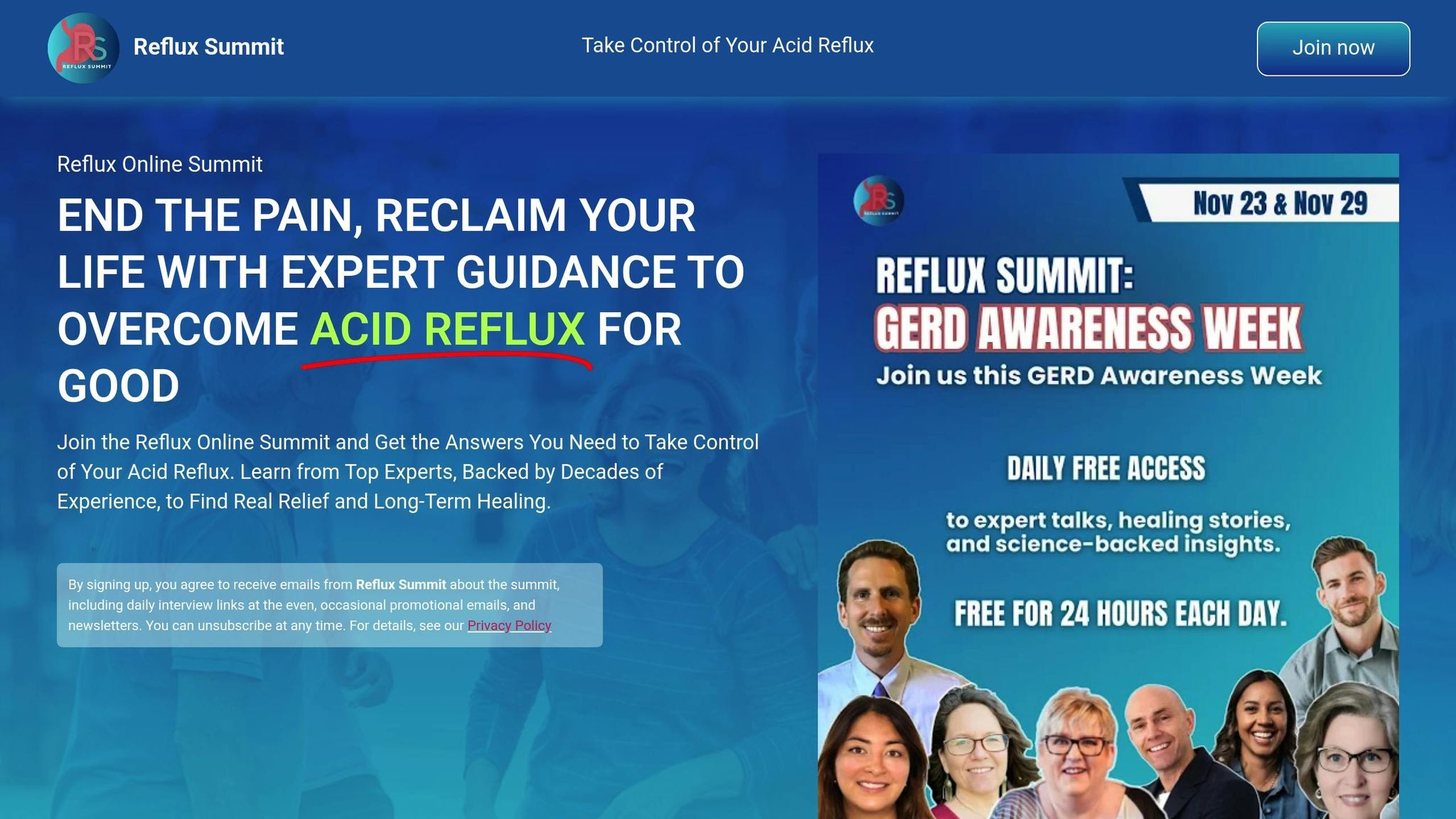
Getting expert advice can make a world of difference when dealing with conditions like SIBO, IBS, and acid reflux. The Reflux Online Summit brings together top specialists who understand the intricate connections between these issues and offer practical, personalized strategies to help manage symptoms effectively.
Created by Josef Kreitmayer, this program features a lineup of gastroenterologists, ENT specialists, dietitians, nutritionists, and integrative medicine practitioners. These experts share their knowledge and emphasize the importance of a coordinated approach to treating overlapping gut-related conditions.
"End the Pain, Reclaim Your Life with Expert Guidance to Overcome Acid Reflux for Good"
One of the summit’s main focuses is the gut connection between SIBO, IBS, and acid reflux. For instance, sessions dive into how bacterial overgrowth can increase abdominal pressure, making reflux worse. Research supports this link, with studies showing that up to 60% of patients considered for reflux surgery test positive for SIBO.
What sets this summit apart is its multidisciplinary approach. Instead of piecing together advice from different specialists, participants gain insights into how professionals like gastroenterologists and nutritionists collaborate to create comprehensive treatment plans. For example, discussions cover dietary strategies like the low FODMAP diet, which can help manage SIBO and IBS symptoms while also addressing reflux triggers.
The summit offers flexible participation options. You can access three new expert videos every day for free, giving you a solid foundation of practical tips and insights. For those wanting more, the Premium Package ($167) grants lifetime access to all sessions, along with extras like in-depth workshops, downloadable resources, extended interviews, and exclusive Q&A sessions with experts.
Real-life case studies and testimonials are also featured, showcasing how targeted dietary changes and expert advice have helped individuals find relief from chronic IBS and acid reflux. These examples highlight how the strategies shared during the summit can lead to long-term symptom management.
Designed with U.S. participants in mind, the summit tailors its content to include American measurements, currency (USD), and food recommendations that align with local preferences. This makes it easier to apply the advice in everyday life and take actionable steps toward better gut health.
Premium participants also gain access to community forums where they can connect with others facing similar challenges. These forums provide ongoing support and a space to learn from new research and expert insights in the ever-evolving field of gut health.
If you’re navigating the challenges of SIBO, IBS, and acid reflux, the Reflux Online Summit offers evidence-based, multidisciplinary guidance to help you manage your symptoms and improve your quality of life.
Taking Control of Your Gut Health
Understanding how SIBO, IBS, and acid reflux are interconnected can help you take charge of your symptoms. These conditions often overlap, creating a cycle where one issue can intensify another. Knowing this connection can guide you toward practical steps for relief.
For starters, adopting a low-carbohydrate or low-FODMAP diet can make a big difference. These diets work by reducing bacterial fermentation in your gut, which helps cut down on gas production. The result? Less bloating, fewer IBS flare-ups, and reduced abdominal pressure that often triggers acid reflux symptoms.
Lifestyle changes are another key piece of the puzzle. Eating smaller meals more frequently and avoiding late-night snacks can give your digestive system the time it needs to process food before you lie down. Simple adjustments, like raising the head of your bed by 6–8 inches, may also ease nighttime reflux. On top of that, regular exercise and stress-relief techniques – think mindfulness or yoga – can improve your overall gut health and help dial down symptom severity.
Sometimes, though, lifestyle tweaks aren’t enough, and that’s where medication comes in. It’s important to regularly review your medications with your healthcare provider. For instance, proton pump inhibitors (PPIs), often used to treat acid reflux, can lower stomach acidity, which might lead to bacterial overgrowth. If you’re on long-term PPI therapy, talk to your doctor about alternatives to avoid potential gut imbalances.
One practical tool to help manage your symptoms is keeping a journal. Track what you eat, your daily habits, medications, and how your symptoms change over time. This can help you identify triggers and provide your healthcare provider with useful insights. If your symptoms persist or worsen despite your efforts, don’t hesitate to seek further medical advice.
Resources like the Reflux Online Summit offer evidence-based advice from experts who specialize in these overlapping conditions, giving you access to strategies tailored to your needs.
FAQs
How can I tell the difference between SIBO, IBS, and acid reflux when their symptoms overlap?
Distinguishing between SIBO (Small Intestinal Bacterial Overgrowth), IBS (Irritable Bowel Syndrome), and acid reflux can be challenging since they share symptoms like bloating, abdominal discomfort, and digestive troubles. But each condition has its own defining traits:
- SIBO is marked by excessive gas, diarrhea, or constipation caused by bacterial overgrowth in the small intestine.
- IBS is a broader condition characterized by irregular bowel habits and abdominal pain, often without an identifiable physical cause.
- Acid reflux typically brings on heartburn, regurgitation, or a burning sensation in the chest or throat.
To identify the root cause, it’s essential to consult a healthcare professional and consider specific diagnostic tests. Trusted resources, such as expert-led discussions or medical guidance, can also shed light on effective ways to manage symptoms and explore treatment options that fit your situation.
What dietary changes can help manage symptoms of SIBO, IBS, and acid reflux together?
Managing symptoms of SIBO, IBS, and acid reflux often starts with careful dietary adjustments. Many individuals find a low-FODMAP diet helpful, as it limits fermentable carbohydrates that can fuel bacterial overgrowth and worsen symptoms. Steering clear of common reflux triggers – like spicy dishes, caffeine, alcohol, and high-fat foods – can also reduce discomfort and improve overall digestion.
Collaborating with a healthcare provider is key to developing a plan tailored to your unique needs. For deeper insights and strategies, expert-led resources can offer valuable guidance on tackling these digestive challenges effectively.
What are the potential long-term risks of using proton pump inhibitors (PPIs) for gut-related conditions like acid reflux, IBS, or SIBO?
Proton pump inhibitors (PPIs) are frequently prescribed to lower stomach acid and treat conditions like acid reflux. They’re effective for short-term relief, but using them over an extended period may come with potential downsides. Research indicates that long-term PPI use might result in nutrient deficiencies, such as low levels of vitamin B12 or magnesium. It could also increase the risk of bone fractures and alter gut bacteria, which may be linked to issues like small intestinal bacterial overgrowth (SIBO).
If you’re worried about the long-term effects of PPIs, it’s a good idea to talk to your healthcare provider. They can help you weigh the pros and cons while exploring other options, such as lifestyle adjustments or natural remedies, that might work alongside – or even reduce your reliance on – medication.