We’ve all been there, that heavy, bloated, or burning feeling after a meal that makes you regret those extra bites. Indigestion, or dyspepsia if you want the fancy term, has a way of turning a perfectly good lunch into a stomach protest. Sometimes it’s just mild discomfort, other times it feels like your digestive system is staging a full rebellion.
Here’s the good news: you don’t need a miracle cure or to give up all your favorite foods. With a few simple lifestyle tweaks, you can help your gut work more smoothly and keep those uncomfortable moments at bay.
This guide is packed with practical, evidence-based tips to make digestion easier and mealtimes more enjoyable. By the end, you’ll feel more confident about managing indigestion naturally and maybe even start looking forward to that next meal.
What Causes Indigestion (Dyspepsia)?
Before diving into lifestyle strategies, let’s understand what indigestion really is. Indigestion isn’t a disease, it’s your body waving a little red flag saying, “Hey, something’s off here.”
Common triggers include:
- Overeating or eating too fast: Shoveling food down can overwhelm your digestive system.
- High-fat or spicy foods: These can irritate the stomach lining and slow digestion.
- Caffeine, alcohol, and fizzy drinks: They increase stomach acid or relax the valve between your stomach and esophagus, causing reflux.
- Stress and anxiety: Your mind and gut are closely connected. Stress can slow digestion and worsen symptoms.
- Lifestyle habits: Smoking, skipping meals, irregular sleep, and sitting too much all contribute.
Everyone’s digestive system is unique. Paying attention to what triggers your symptoms is part of the journey toward better digestive wellness habits.
Lifestyle Measures That Can Make a Big Difference
Here’s where we get to the good stuff. These lifestyle strategies aren’t about punishment, they’re about supporting your digestion every day. Think of it as giving your stomach the best environment to do its job.
1. Mindful Eating: Slow Down and Savor
One of the simplest yet most effective indigestion lifestyle measures is slowing down. Sounds basic, right? But in our fast-paced world, it’s surprisingly tough.
Take small bites, chew thoroughly, and put your fork down between bites. Eating too fast forces your stomach to work harder, producing more acid and increasing bloating or burning.
Quick tip: Count 20 chews per bite. Yes, it feels silly at first but your stomach will thank you.
2. Portion Control: Less Is Often More
Big portions stretch your stomach, slow digestion, and make heartburn or bloating more likely. Instead, try smaller, more frequent meals. Eating five small meals instead of three huge ones reduces pressure on your digestive system.
There is a trick called “half-plate rule”: fill half your plate with veggies or salad, a quarter with lean protein, and a quarter with healthy carbs. Simple, effective, and it naturally prevents overeating.
3. Stay Upright After Eating
Gravity is your friend. Lying down right after a meal encourages acid to move up your esophagus, leading to discomfort.
Try staying upright for 30–60 minutes after eating. A gentle walk can help food move efficiently through your digestive tract. Avoid strenuous workouts right after meals. Your stomach needs focus, not heavy lifting.
4. Identify Trigger Foods
Everyone reacts differently. Some people tolerate spicy curries with no issue, others can’t. Keeping a food journal can be a game-changer.
Track:
- What you ate
- How much you ate
- When symptoms occurred
- How intense they were
Patterns emerge, letting you adjust your diet intelligently no guessing. Common culprits include fatty foods, fried items, chocolate, caffeine, and carbonated drinks.
5. Hydration Matters, But Timing Is Key
Water is essential for digestion, but timing makes a difference. Large amounts during meals can dilute stomach acid, slowing digestion. Sip water throughout the day instead.
Herbal teas, like ginger or chamomile, can soothe your digestive tract. A cup after meals helps reduce bloating and discomfort naturally.
6. Stress Management: Your Gut Loves Calm
Your brain and gut are best friends. Stress and anxiety slow digestion and can increase acid production. Incorporate small, daily stress-relief habits:
- 5–10 minutes of deep breathing or meditation
- Gentle yoga or stretching
- Listening to calming music
- Short walks outdoors
Even small, consistent practices can keep your digestive system feeling calm and balanced.
7. Sleep Well, Digest Well
Sleep isn’t just for your mind, it’s essential for your gut. Poor sleep can worsen acid reflux, slow digestion, and increase inflammation.
Aim for 7–9 hours per night. Elevating your head slightly can reduce nighttime reflux. And avoid late-night meals, let your stomach rest for 2–3 hours before lying down.
Bonus: You can download 30+ Reflux-Friendly Recipes from the Reflux Summit Companion. These meals are designed to soothe your digestion while keeping reflux at bay.
8. Move Your Body Regularly
Exercise helps digestion by increasing blood flow to the stomach and intestines. No need for marathons gentle movement works:
- Post-meal walks
- Light stretching or yoga
- Short movement breaks at work
Even 10–15 minutes of activity makes a noticeable difference.
9. Smoking and Alcohol: Moderate or Avoid
Smoking relaxes the valve between stomach and esophagus, allowing acid to travel upward. Alcohol irritates the stomach lining and increases acid. Cutting back or quitting can significantly reduce indigestion. Gradual reduction works if going cold turkey feels overwhelming.
10. Consider a Gut-Friendly Diet
Some foods actively support digestion:
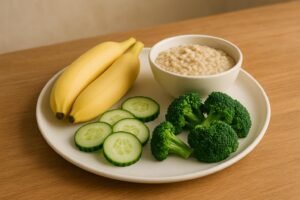
- High-fiber foods: Oats, vegetables, legumes
- Probiotics: Yogurt, kefir, fermented foods
- Ginger and peppermint: Reduce bloating and ease discomfort
Moderation matters even if healthy foods can trigger bloating if overconsumed.
When to Seek Professional Help
Most indigestion is manageable with lifestyle changes. But consult a healthcare provider if you experience:
- Severe or persistent abdominal pain
- Unexplained weight loss
- Difficulty swallowing
- Vomiting blood or black stools
A gastroenterologist can rule out ulcers, gastritis, or other gastrointestinal issues.
Quick Daily Checklist for Indigestion Relief
- Eat slowly and chew thoroughly
- Watch portion sizes
- Avoid lying down immediately after meals
- Keep a food diary
- Sip water throughout the day (not too much during meals)
- Practice stress management
- Prioritize 7–9 hours of sleep
- Move your body daily
- Limit smoking and alcohol
- Include fiber, probiotics, and gut-friendly foods
Even a few of these measures consistently can transform your digestive health.
Conclusion: Small Changes, Big Results
Indigestion doesn’t have to control your life. With intentional, evidence-backed lifestyle improvement strategies, you can support your digestion, reduce discomfort, and enjoy meals again.
Start small, pick one or two changes, track progress, and gradually add more. Your body will respond, and soon, your stomach will thank you.
Ready for a smarter approach to reflux?
Enter your email below to join the free Reflux Summit Online.