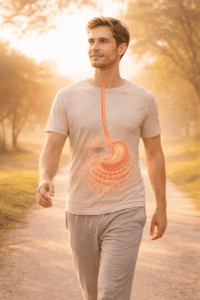
Struggling with acid reflux or GERD? You’re not alone, millions deal with the discomfort of heartburn, regurgitation, and other symptoms daily. While proton pump inhibitors (PPIs) like omeprazole and pantoprazole offer fast relief, they’re not a long-term solution. Over-reliance on these medications can lead to nutrient deficiencies, rebound acid production, and even increased fracture risks.
The key to lasting relief lies in addressing the root causes. Many overlook the power of combining short-term medication with lifestyle adjustments that tackle reflux triggers, strengthen the lower esophageal sphincter (LES), and promote healing. Let’s explore how a phased approach can help you break free from dependency on PPIs while improving overall digestive health.
GERD, Acid Reflux, and How PPIs Work
Understanding the difference between occasional acid reflux and chronic GERD is essential for selecting the right treatment. Acid reflux refers to the occasional backflow of stomach acid into the esophagus, while GERD (Gastroesophageal Reflux Disease) is diagnosed when these symptoms occur at least twice a week and become a persistent issue. In the U.S., about 20% of adults experience GERD symptoms weekly, with 90% of sufferers identifying heartburn as their main concern.
What Causes GERD
GERD stems from a weakened lower esophageal sphincter (LES), the muscle that acts as a barrier between the stomach and the esophagus. Normally, the LES opens to let food and liquids into the stomach and then closes securely to keep stomach acid from rising. In GERD, this sphincter either weakens or relaxes when it shouldn’t, allowing acid to flow back into the esophagus.
Unlike the stomach, which has a protective lining to handle its acidic environment, the esophagus is vulnerable to damage from repeated acid exposure. This can lead to inflammation (esophagitis), painful ulcers, or narrowing of the esophagus (strictures). Additionally, 10–15% of chronic GERD patients develop Barrett’s esophagus, a condition where esophageal cells change to resemble intestinal cells, increasing the risk of cancer. As Miriam Piro succinctly explained, “The problem isn’t acid, it’s the broken gate.” This highlights the importance of addressing both the symptoms and the underlying cause through a combination of medications and lifestyle adjustments.
How PPIs Work and Their Limits
Proton pump inhibitors (PPIs) target the root of acid production by blocking the hydrogen-potassium ATPase enzyme, also known as the “proton pump”, in stomach cells. This action significantly reduces stomach acid production, by 90–98%, and promotes healing in 80–90% of cases of erosive esophagitis within eight weeks. By creating a low-acid environment, PPIs allow damaged tissues in the esophagus to recover.
However, PPIs do not resolve the mechanical issue of a weakened LES. Acid production remains suppressed until new proton pumps are synthesized, which explains why the effects of PPIs last longer than their short plasma half-life of one to two hours. While most PPIs are approved for short-term use (typically four to eight weeks), prolonged use can lead to additional risks. This is why experts like Dr. Elena Pavlov emphasize a phased approach that combines the temporary benefits of PPIs with essential lifestyle modifications to manage GERD effectively.
Dr. Elena Pavlov’s 3-Phase Approach: Combining Medication With Lifestyle Changes
Dr. Elena Pavlov offers a fresh perspective on managing GERD, blending the short-term benefits of medication with the long-term impact of lifestyle changes. Her three-phase plan begins with quick symptom relief and ends with sustainable habits that address GERD’s root causes. As health writer Toby Rotman aptly states:
Pills help. But habits heal.
This approach recognizes that while lifestyle changes may not immediately alleviate symptoms when the esophagus is inflamed, relying solely on PPIs for extended periods carries risks like nutrient deficiencies and bone issues. By combining both strategies, patients can heal existing damage while laying the groundwork for a healthier future. The process ensures a smooth shift from medication to lasting habits.
Phase 1: Using PPIs for Initial Symptom Relief
The first step focuses on stabilizing symptoms with an 8-week PPI course. PPIs can decrease stomach acid by 90–98%, helping 80–90% of erosive esophagitis cases heal during this period.
Before starting treatment, it’s essential to screen for H. pylori, Barrett’s esophagus, and check for deficiencies in nutrients like B12, iron, magnesium, and vitamin D. Identifying reflux triggers, such as alcohol, coffee, chocolate, peppermint, and high-fat meals, is equally crucial. To further protect the esophagus, consider using demulcents like deglycyrrhizinated licorice (380 mg taken 15–20 minutes before meals), slippery elm, or aloe vera.
Phase 2: Adding Lifestyle and Diet Changes During PPI Treatment
Once symptoms are under control, Phase 2 introduces lifestyle adjustments while the medication continues to provide protection. During this stage, PPI doses are reduced by 25–50%, and mechanical changes are implemented to minimize reflux. These include:
- Raising the head of the bed by 6–8 inches
- Avoiding tight clothing
- Eating smaller, well-chewed meals
- Waiting 3–4 hours after dinner before lying down
These adjustments can lower esophageal acid exposure by up to 60%, creating a safer environment for adopting new habits. Additionally, Zinc L-carnosine (37.5–75 mg daily) can aid in healing the esophageal lining at the cellular level.
Phase 3: Reducing PPIs and Maintaining Results
The final phase focuses on reducing reliance on PPIs while maintaining symptom control through established lifestyle habits. Patients gradually taper off PPIs, moving to every-other-day dosing or the lowest daily dose before discontinuing entirely. This gradual reduction helps avoid rebound acid hypersecretion, a temporary condition affecting about 44% of users for 2–3 weeks after stopping PPIs.
To manage rebound symptoms, famotidine (an H2 blocker) at 10–20 mg in the evening can be used as needed. Continued use of demulcents, consistent routines, and additional measures like ginger, either as tea or in 500 mg capsules after meals, can support digestive motility, reducing reflux pressure. Once PPIs are fully discontinued and ulcers are ruled out, some patients may try Betaine HCl with high-protein meals, starting with one capsule (350–700 mg) and adjusting based on their tolerance.
This phased approach offers a balanced path to relief, combining the strengths of medication with the enduring benefits of lifestyle changes.
Lifestyle Changes That Support Esophageal Healing
While proton pump inhibitors (PPIs) provide an essential starting point for healing, certain lifestyle changes can make a significant difference in maintaining relief. These adjustments help ease pressure on the lower esophageal sphincter (LES) and reduce the upward force that contributes to reflux, creating a supportive environment for healing.
Weight Loss and GERD Relief
Shedding excess weight can directly alleviate pressure on the LES, which is crucial for managing GERD symptoms. Research indicates that losing just 5–10% of body weight can lead to noticeable symptom relief. For many, combining weight loss with dietary adjustments has even allowed reduced reliance on PPIs or their complete discontinuation.
Central obesity, in particular, poses a high risk, as abdominal fat exerts additional pressure on the LES, regardless of overall BMI. Reducing waist circumference and avoiding restrictive clothing or belts around the abdomen can further minimize this pressure and help prevent acid reflux.
Adjusting Body Position to Reduce Reflux
Positioning plays a critical role in managing reflux, especially during sleep. Elevating the head of the bed by 6–8 inches can prevent stomach acid from traveling upward while lying down. Using a foam wedge pillow is a better option than stacking regular pillows, which can inadvertently increase abdominal pressure.
Remaining upright for at least three hours after meals is another effective strategy, as it helps keep gastric contents in place while digestion occurs. Additionally, sleeping on the left side can reduce reflux episodes, thanks to the stomach’s natural alignment, which keeps acid away from the LES.
Incorporating diaphragmatic breathing exercises after meals can further support the LES. Spending about 15 minutes practicing slow, deep belly breathing through the nose has been shown to decrease GERD symptoms by roughly 35% in mild cases.
Quitting Smoking and Limiting Alcohol
Chemical triggers, such as nicotine and alcohol, can weaken the LES and exacerbate reflux symptoms. Smokers are twice as likely to develop GERD compared to non-smokers, as nicotine relaxes the LES and reduces saliva production, which naturally neutralizes stomach acid.
Alcohol presents a dual challenge by both increasing stomach acid production and weakening the LES. Studies show that consuming even two standard drinks daily can lower LES pressure by approximately 25%. For 70–80% of GERD sufferers, alcohol is a primary trigger for reflux episodes.
Quitting smoking has been linked to nearly double the improvement in severe GERD symptoms. Additionally, a short-term elimination of both coffee and alcohol, such as a 10-day trial, can provide immediate relief for many. This approach helps identify specific food triggers, allowing individuals to reintroduce these substances gradually and assess their impact.
Diet Changes for Long-Term Reflux Control
Adjusting your diet is a cornerstone for managing reflux over the long term. These changes work hand-in-hand with proton pump inhibitors (PPIs) during the initial healing phase and remain essential even after tapering off medication. By pinpointing personal food triggers and adopting a balanced eating routine, you can help repair and protect the esophagus. Studies indicate that most people can identify two or three primary trigger foods by keeping a brief food diary.
Finding and Avoiding Your Trigger Foods
Dietary changes, when combined with medication and lifestyle adjustments, play a vital role in achieving lasting relief. Certain foods can interfere with the lower esophageal sphincter (LES), the muscle responsible for keeping stomach acid where it belongs. For example, high-fat meals, those with more than 30 grams of fat, can increase reflux episodes by 40% by slowing stomach emptying. Chocolate contains methylxanthine, a compound that relaxes the LES by 15–20% shortly after consumption, and peppermint has a similar effect despite its reputation as a digestive aid.
Acidic foods, such as citrus fruits, tomato-based sauces, and vinegar-heavy dressings, can irritate the esophagus, especially when it’s already inflamed. Drinks like coffee, carbonated beverages, and alcohol not only contribute to acidity but can also expand the stomach, increasing pressure on the LES. A practical way to identify your triggers is to temporarily eliminate common culprits, like coffee, alcohol, chocolate, tomatoes, and fried foods, then gradually reintroduce them one at a time over two weeks, tracking your symptoms to determine which ones affect you.
| Food Category | Common Triggers (Avoid) | Reflux-Friendly Alternatives |
| Fruits | Oranges, lemons, grapefruit, pineapple | Bananas, melons, pears, apples |
| Vegetables | Tomatoes, raw onions, garlic, spicy peppers | Broccoli, green beans, potatoes, leafy greens |
| Proteins | Fatty beef, fried chicken, bacon | Skinless chicken, turkey, fish, tofu |
| Grains | High-fat pastries, cream-based pastas | Oatmeal, brown rice, whole-grain bread |
| Beverages | Coffee, energy drinks, soda, alcohol | Herbal teas (chamomile, licorice), water |
Adding Foods That Help Healing
Avoiding triggers is just one side of the equation; adding foods that support healing can make a significant difference. Non-citrus fruits like bananas and melons are gentle on the stomach and provide essential nutrients without excess acidity. Cooked vegetables, such as green beans, broccoli, and leafy greens, are easy to digest and rich in fiber, an important benefit when stomach acid levels are reduced by PPIs.
Lean proteins like grilled chicken, turkey, and fish supply the building blocks for tissue repair without the fat content that can exacerbate symptoms. Whole grains, including oatmeal and brown rice, offer sustained energy and dietary fiber. Healthy fats, like those in avocado or olive oil, can be included in moderation without triggering reflux. Herbal teas, such as chamomile or deglycyrrhizinated licorice, can calm the digestive system, while small amounts of ginger may help with nausea.
Since long-term PPI use can affect the absorption of key nutrients, like magnesium, calcium, iron, and vitamin B12, choosing nutrient-dense foods becomes especially important. Combining iron-rich foods with vitamin C sources can further improve mineral absorption, helping to counteract these deficiencies.
Eating Smaller Meals at the Right Times
The size and timing of your meals play a direct role in managing reflux. Eating larger meals earlier in the day, ideally before 3:00 PM, and keeping dinner lighter can reduce pressure on the LES. Following the three-hour rule, waiting at least three hours after eating before lying down, can lower reflux risk by about 50% compared to eating within an hour of bedtime. Additionally, chewing sugar-free gum for 20 minutes after meals can stimulate saliva production, which helps neutralize stomach acid naturally.
Tracking Progress and Getting Professional Help
Keeping track of how your body responds to treatment helps determine what’s working and what needs adjustment. A detailed record of your symptoms, meals, and lifestyle habits can uncover patterns you might not notice otherwise. This information is incredibly helpful for your healthcare provider when refining your treatment plan and deciding if professional intervention is needed.
Keeping a Symptom Journal
Logging your symptoms daily can provide a clearer picture of your progress. Take note of how often you experience issues like heartburn, regurgitation, a sour taste in your mouth, or nighttime coughing. Include details like when you had your last meal and whether you consumed common triggers such as coffee, tomatoes, alcohol, chocolate, fatty or fried foods, or carbonated drinks. Identifying these triggers is a key step toward managing your condition.
Maintaining this journal for two to four weeks is particularly useful if you’re reducing your proton pump inhibitor (PPI) dosage. It can help distinguish between a genuine GERD relapse and rebound symptoms. Apps like RefluxMD, which has a 4.7-star rating from 8,500 users, can make it easier to track triggers and symptom patterns. Additionally, keep an eye out for potential long-term PPI side effects, such as muscle cramps or irregular heartbeats (possible signs of magnesium deficiency) and fatigue (which may suggest a vitamin B12 deficiency).
When to See a Specialist
If your symptoms persist even after eight weeks of proper PPI use, it’s time to consult a gastroenterologist. This condition, known as “refractory GERD”, may require further diagnostic tests like an upper endoscopy, ambulatory pH monitoring, or esophageal manometry. To maximize medication effectiveness, make sure you’re taking PPIs as recommended, 30 to 60 minutes before your first meal, and following lifestyle adjustments.
Approximately 30%–40% of patients continue to experience symptoms despite PPI treatment. If this applies to you, professional evaluation can uncover underlying issues. Immediate medical attention is necessary if you experience chest pain combined with shortness of breath, difficulty swallowing, vomiting blood, or black or tarry stools. Dr. Yoshinori Abe emphasizes:
Do not stop your PPI suddenly without medical advice, especially if you’ve been on it long term. Sudden discontinuation can cause rebound acid production.
Other red flags, such as reflux symptoms appearing after age 50, unexplained weight loss, or persistent vomiting, also warrant prompt medical evaluation. Expert guidance is crucial when transitioning off PPIs and adopting lifestyle changes, aligning with Dr. Pavlov’s phased approach for effective, long-term relief.
Learning From Expert Resources
Expert-led resources can provide additional support for managing GERD. Events like the Reflux Online Summit offer sessions on advanced diagnostics, lifestyle adjustments, and treatment options. These include real-life success stories that highlight the benefits of combining medication with lifestyle changes for lasting relief. By combining thorough tracking with professional advice, you can build a more effective, sustainable approach to managing GERD symptoms.
Conclusion: Combining PPIs With Lifestyle Changes for Lasting Relief
Proton pump inhibitors (PPIs) provide effective short-term relief by giving damaged tissue a chance to heal. Clinical trials consistently demonstrate their ability to promote rapid recovery. However, relying solely on medication does not address the root causes of reflux, such as a weakened lower esophageal sphincter, increased abdominal pressure, or dietary habits that contribute to acid production.
To achieve long-term relief, it’s essential to view PPIs as a temporary tool rather than a permanent solution. While PPIs support the healing process, incorporating targeted lifestyle changes, like those mentioned earlier, addresses the underlying factors that medication alone cannot resolve. Research supports the idea that combining PPIs with these adjustments leads to more durable relief.
Dr. Pavlov’s phased approach highlights the importance of gradually tapering off PPIs to avoid rebound acid hypersecretion. During this process, the healthy habits developed during treatment take center stage as the primary method for managing reflux. As the American Gastroenterological Association emphasizes:
Lifestyle modification is foundational. PPIs are for confirmed erosive disease or severe symptoms.
Achieving lasting esophageal health requires using PPIs as a short-term aid while adopting long-term lifestyle strategies to maintain relief and prevent recurrence.
Call to Action: Learn More at Reflux Online Summit
If you’re ready to take control of reflux management, gaining expert insights is the next step.
Addressing reflux isn’t just about understanding PPIs, it’s about combining medication, lifestyle adjustments, and professional guidance. The Reflux Online Summit brings together leading gastroenterologists, nutritionists, and digestive health specialists to share strategies for managing reflux effectively and sustainably.
The summit dives into essential topics like structured tapering methods to avoid rebound acid hypersecretion, addressing nutrient deficiencies linked to PPI use, personalized dietary tracking to identify trigger foods, and exploring newer treatments such as Potassium-competitive acid blockers (PCABs).
Additionally, the event highlights key lifestyle changes, including weight management, sleep positioning, stress reduction, and customized dietary plans, all aimed at tackling reflux at its core. This reflects the growing shift in gastroenterology toward personalized care and long-term healing without over-reliance on medication.
Take the opportunity to learn about safe PPI transitions and evidence-based solutions for lasting esophageal health. Visit refluxsummit.com to access expert-led sessions and valuable resources.
Frequently Asked Questions (FAQs)
How do I know if I actually need a PPI?
Whether or not you need a proton pump inhibitor (PPI) depends on how severe and frequent your symptoms are, as well as their underlying cause. PPIs are often prescribed for short periods, typically ranging from 2 to 12 weeks, to lower stomach acid and promote healing for conditions such as ulcers or GERD. If your symptoms are mild or can be controlled with lifestyle adjustments, a PPI might not be required. Speak with a healthcare provider to assess your condition and decide if a PPI is the right option for your recovery.
What’s the safest way to taper off a PPI without rebound symptoms?
The safest method to discontinue a PPI involves a gradual, step-by-step reduction in dosage, combined with careful preparation, patience, and adjustments to your lifestyle. Emphasize making dietary and lifestyle changes to support your body during the transition and minimize the chances of rebound acid production. This phased strategy helps your esophagus heal and lowers the likelihood of experiencing rebound symptoms as you reduce the medication.
Which lifestyle change helps GERD the most if I can only do one?
If you’re considering just one lifestyle adjustment to manage GERD, prioritizing your diet is key. Steer clear of common trigger foods such as high-fat meals, caffeine, chocolate, citrus fruits, and fatty meats. These can slow down stomach emptying and relax the lower esophageal sphincter (LES), which increases the likelihood of reflux. Modifying your diet is often one of the quickest and most effective ways to ease symptoms, particularly when paired with short-term use of PPIs under a doctor’s guidance.