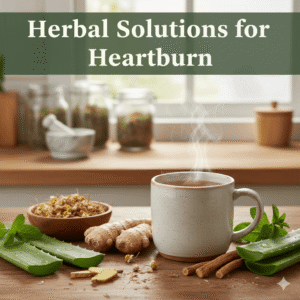
| ⚠️ Medical Disclaimer: This article is for informational purposes only and is not a substitute for professional medical advice, diagnosis, or treatment. Herbal supplements are complementary options and should not replace medications prescribed by your healthcare provider. Always consult a qualified clinician before making changes to your treatment plan. |
TL;DR:
The PPI Context: While Proton Pump Inhibitors (PPIs) are the standard medical treatment, long-term use is associated with nutrient deficiencies (like B12 and magnesium) and gut dysbiosis (like SIBO). This drives interest in complementary herbal options for mild or intermittent symptoms under medical supervision.
Clinical Evidence Levels:
Stronger Evidence: Ginger is clinically proven to accelerate stomach emptying, and standardized aloe vera syrup has shown promise in small trials for reducing GERD symptom frequency.
Traditional/Preclinical Basis: DGL Licorice (preclinical barrier repair), Chamomile (anti-inflammatory properties), Slippery Elm, and Marshmallow Root (mucilage-based soothing gel) are widely used in integrative care but currently lack large-scale human clinical trials for GERD.
A Warning on Peppermint: While beneficial for bloating and general gut irritation, peppermint relaxes the lower esophageal sphincter (LES). This can actively worsen acid reflux, meaning individuals with GERD should use it with caution or avoid it entirely.
Crucial Safety Measures: Botanicals are pharmacologically active. Herbs like slippery elm can delay the absorption of other medications, ginger can affect blood thinners, and individuals with LPR (silent reflux) must avoid acidic preservatives in liquid formulas.
Holistic Management: Herbal remedies work best when paired with baseline lifestyle habits, such as eating smaller meals, avoiding eating within 3 hours of bed, and elevating the head of the bed. Never delay medical care for severe warning signs like difficulty swallowing or blood in the stool.
Acid reflux, heartburn, and gastroesophageal reflux disease (GERD) are widespread digestive concerns characterized by a burning sensation in the chest, regurgitation of stomach contents, and discomfort that often worsens after meals or during sleep. While prescription medications remain the first-line treatment, growing interest in integrative medicine has led many individuals to explore herbal supplements as part of a broader management strategy.
This guide provides an evidence-informed overview of commonly researched herbal supplements for reflux, explains the mechanisms by which they may support digestive comfort, and outlines best practices for safe and responsible use.
Understanding Reflux and the Role of Herbal Support
Conventional treatments, including antacids and proton pump inhibitors (PPIs), are generally effective for symptom control and remain the clinical standard of care for GERD. However, research has documented potential concerns with prolonged PPI use. A 2020 review published in Therapie examining vitamin and mineral deficiencies associated with long-term PPI use identified associations with deficiencies in vitamin B12, vitamin C, iron, calcium, and magnesium. A 2023 review in Pharmacological Reports on PPI-induced gut dysbiosis and immune modulation highlighted that long-term PPI therapy may alter gut microbiota composition and immune response, with small intestinal bacterial overgrowth (SIBO) among the documented risks.
Importantly, a best-practice advisory from the American Gastroenterological Association on the risks and benefits of long-term PPI use notes that for most patients the evidence does not support routine supplementation beyond recommended dietary allowances, and that PPIs should be used at the lowest effective dose for the shortest necessary duration. These nuances underscore why some individuals and clinicians explore complementary herbal approaches, particularly for mild or intermittent symptoms, while emphasizing that medical supervision remains essential.
Herbal supplements are not intended to replace medical treatment but may, when used responsibly alongside lifestyle modifications and physician oversight, offer additional support for digestive comfort.
How Herbal Supplements May Support Reflux Management
Herbal supplements commonly investigated for reflux tend to work through one or more of the following proposed mechanisms:
- Soothing and protecting the digestive lining: Certain herbs contain mucilage or other compounds that may coat the esophagus and stomach, reducing irritation from acid exposure.
- Reducing inflammation: Anti-inflammatory botanicals may help calm irritated digestive tissues associated with chronic reflux.
- Supporting digestion and gastric motility: Some herbs are associated with more efficient stomach emptying, potentially reducing the opportunity for acid reflux episodes.
It is important to note that the quality and quantity of clinical evidence varies considerably across these herbs, ranging from well-designed randomized trials to preclinical or traditional-use evidence only. Limitations are noted for each herb below.
Common Herbal Supplements Researched for Reflux Relief
1. Ginger (Zingiber officinale)
Ginger has a long history of use as a digestive aid and is among the more extensively studied herbs in this context. A randomized double-blind trial published in the European Journal of Gastroenterology & Hepatology demonstrating that ginger accelerates gastric emptying and stimulates antral contractions in healthy volunteers found that 1,200 mg of ginger significantly reduced gastric half-emptying time compared to placebo. The authors noted that these gastric motility effects could potentially benefit symptomatic populations. Research has also documented ginger’s anti-nausea and anti-inflammatory properties, though direct clinical evidence specifically linking ginger supplementation to reduced GERD symptoms in patients remains limited and warrants further investigation.
Common forms: Fresh ginger tea, powdered ginger, or standardized capsules. Consult a healthcare provider for appropriate dosing, especially if you are taking blood-thinning medications, as ginger may have anticoagulant effects at high doses.
2. Deglycyrrhizinated Licorice (DGL) (Glycyrrhiza glabra)
DGL is a modified form of licorice root from which glycyrrhizin has been removed to reduce the risk of blood pressure elevation associated with whole licorice extract. Research into licorice constituents suggests potential gastric mucosal protective effects: a 2023 study in Biomedicine & Pharmacotherapy on licorice flavonoid and gastric mucosal barrier repair found that licorice flavonoid supported mucus cell regeneration and promoted mucosal barrier repair in a preclinical model. It is important to note that this study used animal models, and direct human clinical trials specifically evaluating DGL’s effects on GERD symptoms are limited. DGL is widely used in traditional and integrative medicine contexts, but more rigorous human evidence is needed to establish efficacy for acid reflux.
Common forms: Chewable tablets, often taken before meals. Individuals with cardiovascular conditions, kidney disease, or those taking medications should consult a healthcare provider before use, even with the deglycyrrhizinated formulation.
3. Chamomile (Matricaria chamomilla)
Chamomile has been used traditionally for gastrointestinal discomfort and has demonstrated anti-inflammatory activity in laboratory settings. A 2023 study in the Journal of Ethnopharmacology examining the anti-inflammatory mechanisms of chamomile essential oils found that chamomile essential oils reduced pro-inflammatory mediators including TNF-α and IL-6 in macrophage models, with effects linked to NF-κB pathway suppression. Chamomile is also commonly used as a relaxation aid, which may be of ancillary benefit for individuals experiencing nighttime reflux associated with stress.
Regarding safety, a 2025 systematic review in Complementary Therapies in Medicine evaluating adverse events associated with chamomile in clinical trials concluded that chamomile is generally well tolerated at controlled doses, with self-limiting gastrointestinal complaints and drowsiness as the most common adverse events. However, allergic reactions, including anaphylaxis in rare cases, have been documented in case reports, particularly in individuals with known allergies to plants in the Asteraceae family (such as ragweed or chrysanthemum).
Common forms: Herbal tea or standardized capsules. Not recommended for individuals with Asteraceae/Compositae plant allergies. Safety during pregnancy and lactation is not well established.
4. Slippery Elm (Ulmus rubra)
Slippery elm bark contains mucilage, a soluble fiber that forms a viscous gel when mixed with water. In traditional herbal medicine and integrative practice, this property has been proposed to coat and soothe the digestive lining, potentially reducing irritation associated with acid reflux and heartburn. However, it is important to be transparent: peer-reviewed clinical trials specifically evaluating slippery elm for GERD or acid reflux in humans are currently limited, and the available evidence is largely based on traditional use and preclinical data. Slippery elm is included in several integrative gastroenterology discussions as a demulcent with a plausible mechanism, but individuals should approach it as a traditional support option rather than a clinically proven treatment.
Common forms: Powder mixed with water, lozenges, or capsules, used according to product instructions. May slow the absorption of other medications; take at least two hours apart from any pharmaceutical medications.
5. Marshmallow Root (Althaea officinalis)
Like slippery elm, marshmallow root is a mucilaginous herb that has been used in traditional medicine to soothe gastrointestinal irritation. The proposed mechanism, a mucilage-mediated protective coating of irritated tissues, is biologically plausible, and marshmallow root is recognized as a demulcent in various herbal pharmacopeias. As with slippery elm, peer-reviewed human clinical trials specifically evaluating marshmallow root for acid reflux or GERD are limited at present. Its inclusion in reflux-supportive protocols is primarily grounded in traditional use and the broader understanding of mucilaginous herbs, rather than robust clinical trial evidence.
Common forms: Tea, tincture, or standardized capsules. Consult a healthcare provider if taking prescription medications, as marshmallow root may theoretically affect absorption of some drugs.
6. Aloe Vera
Aloe vera is among the more clinically investigated herbal options for GERD. A pilot randomized positive-controlled trial published in the Journal of Traditional Chinese Medicine evaluating aloe vera syrup for GERD symptom reduction found that aloe vera syrup (standardized to 5 mg polysaccharide per mL) reduced the frequency of all eight assessed GERD symptoms over four weeks and was generally well tolerated. The authors noted that aloe vera was comparable in symptom reduction to omeprazole and ranitidine in this small trial. Limitations of this study include its small sample size (79 participants) and pilot design; larger, confirmatory trials are needed before firm clinical conclusions can be drawn.
Important note: Only products specifically formulated and labeled for internal consumption should be used. Avoid products containing aloin or other anthraquinone laxative components, which are not appropriate for internal use and have safety concerns. For individuals with laryngopharyngeal reflux (LPR), it is especially important to choose aloe vera products without acidic preservatives such as ascorbic acid, as these may activate pepsin and worsen laryngeal irritation.
7. Peppermint (Mentha piperita), Use with Caution in GERD
Peppermint and peppermint oil have demonstrated benefits for functional gastrointestinal disorders, including functional dyspepsia and irritable bowel syndrome. A 2025 phase IV clinical trial in Wiener Medizinische Wochenschrift evaluating a peppermint and caraway oil combination for gut-brain interaction disorders found clinically meaningful improvements in abdominal symptoms, stool consistency, and quality of life over eight weeks.
However, peppermint is a special case for individuals with acid reflux or GERD. Peppermint’s active compound, menthol, is a smooth muscle relaxant. This property, while beneficial for intestinal cramping and bloating, can also relax the lower esophageal sphincter (LES), the muscular valve that prevents stomach acid from flowing back into the esophagus. Relaxation of the LES is a core mechanism in the development of GERD, and this effect is well recognized in gastroenterology clinical literature. As a result, peppermint may worsen acid reflux symptoms in individuals with GERD or hiatal hernia, even if it helps other GI symptoms.
Recommendation: Peppermint-containing supplements, teas, and enteric-coated peppermint oil capsules should be used with caution, or avoided, by individuals with diagnosed GERD or frequent acid reflux. Tolerance is highly individual; if in doubt, discuss with your gastroenterologist before using peppermint therapeutically.
Enhancing Results with Lifestyle Adjustments
Herbal supplements are most likely to contribute meaningfully when integrated within a broader lifestyle and dietary management approach. Evidence-based strategies commonly recommended alongside any supplement use include:
- Consuming smaller, more frequent meals to reduce stomach distension and reflux pressure
- Identifying and limiting personal trigger foods, which commonly include fried or fatty foods, citrus fruits, tomatoes, caffeine, alcohol, and chocolate
- Elevating the head of the bed by 6–8 inches to reduce nighttime reflux (wedge pillow or bed risers are preferred over additional pillows)
- Maintaining a healthy body weight, as excess abdominal weight is a significant contributor to GERD
- Avoiding lying down within 2–3 hours after eating
- Staying well hydrated while avoiding large fluid intake during meals
A comprehensive and individualized approach typically yields more consistent symptom improvement than supplements alone.
Safety Considerations and Precautions
Although many herbal supplements have a long history of use, appropriate precautions are essential for safe and responsible use, particularly for YMYL health contexts:
- Always consult a healthcare provider first, especially if you are pregnant, breastfeeding, taking prescription medications, or managing a chronic health condition.
- Drug interactions matter. Certain herbs can affect the absorption, metabolism, or efficacy of medications. For example, slippery elm and marshmallow root may reduce absorption of co-administered drugs; ginger has mild anticoagulant properties; licorice-containing products may interact with antihypertensives and corticosteroids.
- Introduce one supplement at a time to accurately monitor tolerance and identify any adverse reactions.
- Choose quality-assured products. Select supplements that are third-party tested for purity, potency, and the absence of contaminants (look for NSF, USP, or ConsumerLab certification).
- Do not delay or replace medical care. If you experience persistent, worsening, or severe symptoms, including difficulty swallowing, unexplained weight loss, or blood in vomit or stool, seek medical evaluation promptly. These may indicate conditions requiring diagnosis and medical treatment beyond herbal support.
Frequently Asked Questions (FAQs)
Can herbal supplements replace prescription medications for GERD?
No. Herbal supplements are complementary options and should not replace prescribed treatments without explicit guidance from your healthcare provider. If you are currently taking medications for GERD, discuss any supplements with your prescribing clinician before use to avoid interactions and ensure your condition remains adequately managed.
How long does it take to notice improvements with herbal supplements?
Response times vary considerably between individuals and between herbs. Some people notice changes within days, while others may require several weeks of consistent use. Because evidence from clinical trials is limited for many of these herbs, improvements should be monitored thoughtfully and discussed with a healthcare provider if symptoms persist or worsen.
Are herbal supplements safe for long-term use?
Safety profiles vary by herb. Chamomile has a well-documented safety record in controlled doses. Ginger is generally considered safe at typical culinary and supplemental doses. Slippery elm and marshmallow root have limited long-term safety data in humans. Long-term use of any supplement should be periodically reviewed with a healthcare professional.
What is laryngopharyngeal reflux (LPR) and does it require different considerations?
LPR, sometimes called silent reflux, occurs when stomach contents reach the larynx and throat rather than (or in addition to) the esophagus. It can cause symptoms such as chronic cough, throat clearing, hoarseness, and the sensation of a lump in the throat. Individuals with LPR should be especially careful about acidic preservatives in supplements (such as ascorbic acid in aloe vera products) and should follow LPR-specific dietary guidance under medical supervision.
Conclusion: Herbal Supplements as Complementary Support for Reflux
Herbal supplements may offer gentle, supportive options for individuals managing acid reflux, heartburn, and GERD as part of a comprehensive, physician-guided approach. Ginger has demonstrated gastric motility benefits in clinical research. Licorice-derived compounds have shown mucosal protective properties in preclinical studies. Chamomile has well-documented anti-inflammatory activity and a favorable safety profile. Aloe vera has been evaluated in a pilot clinical trial with promising, though preliminary, results.
Slippery elm and marshmallow root remain primarily grounded in traditional use and plausible mucilage-based mechanisms, with limited human clinical trial evidence currently available. Peppermint may benefit functional gut symptoms but should be used with significant caution, or avoided, by individuals with GERD due to its potential to relax the lower esophageal sphincter.
As with any complementary health approach, optimal outcomes depend on consistent use of quality-assured products, integration with evidence-based dietary and lifestyle changes, and ongoing communication with a qualified healthcare provider.
| Ready for a smarter approach to reflux? Enter your email below to join the free Reflux Summit Online. |