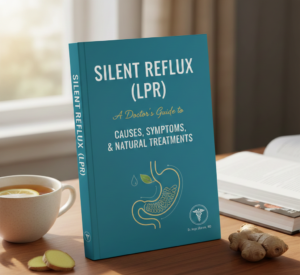
That burning sensation rises up the chest after a meal, lingers in the throat, and then slowly fades. A familiar thought follows. Maybe it is nothing. Maybe acid reflux will go away on its own?
This question sits behind countless late-night searches, and for good reason. Acid reflux can feel unpredictable and confusing, sometimes even alarming. On some days it disappears without a trace. On others it returns and refuses to let go. The difference between temporary relief and lasting improvement lies in understanding what is actually happening inside the body.
This guide separates myth from reality, explains when acid reflux can resolve naturally, and clarifies when it points to something more persistent, such as GERD.
Can Acid Reflux Go Away on Its Own?
The short answer
Yes, acid reflux can go away on its own in certain situations. No, it does not always mean the problem is solved.
What actually happens inside the body
Acid reflux occurs when stomach acid flows backward into the esophagus. This usually happens when the lower esophageal sphincter, a muscle supported by the diaphragm, relaxes or weakens at the wrong time. The result is heartburn, chest discomfort, or throat irritation.
For many people, reflux is episodic, not chronic.
Situations where acid reflux may resolve naturally
- A heavy or spicy meal triggers temporary acidity
- Eating late at night causes brief heartburn
- Stress or poor posture increases abdominal pressure
- Certain foods act as short-term triggers
Once the trigger is removed, symptoms often fade within hours or days. In these cases, acid reflux appears to heal on its own because the underlying cause was temporary.
When it does not truly go away
If reflux keeps returning, even mildly, it may indicate:
- A weakened esophageal valve
- Chronic inflammation of the esophagus
- Ongoing pressure from the diaphragm
- Gastroesophageal Reflux Disease (GERD)
Recurring symptoms mean the reflux is being managed, not healed.
Myths vs Reality of Acid Reflux or GERD
Myth 1: Acid reflux always means GERD
Reality: Occasional acid reflux is common and not the same as GERD. GERD is diagnosed when reflux happens frequently and causes ongoing irritation or damage.
Myth 2: If symptoms disappear, the problem is gone
Reality: Acid reflux can quiet down even when inflammation remains. The esophagus may still be healing or slowly worsening without obvious pain.
Myth 3: Acid reflux is caused by too much stomach acid
Reality: The problem is usually not excess acid. It is acid in the wrong place. Muscle dysfunction, pressure imbalance, and digestive timing matter more than acid levels.
Sometimes reflux is frequently linked to a weak lower esophageal valve, not simply excess stomach acid. When this valve fails to close properly, digestive contents can flow back into the esophagus, triggering common symptoms like heartburn, indigestion, and acid reflux. Understanding this root cause helps in managing GERD more effectively through lifestyle changes, diet adjustments, and targeted treatments.
Myth 4: Medication cures acid reflux
Reality: Medications reduce acidity and relieve symptoms. They do not correct mechanical causes like diaphragm tension or sphincter weakness. They can help give the linings a rest to heal and reduce inflammation which in many cases actually helps and resolves the symptoms.
Myth 5: Natural remedies are not effective
Reality: Lifestyle and natural strategies can significantly reduce reflux when applied consistently and correctly, especially in early stages.
Lifestyle Tips for Managing Reflux
Managing acid reflux requires understanding triggers and supporting the digestive system as a whole.
Awareness stage: Identifying triggers
Common reflux triggers include:
- Fatty or fried foods
- Chocolate, coffee, and alcohol
- Large meals
- Lying down too soon after eating
- Chronic stress
Tracking symptoms helps identify patterns and reduce flare-ups.
Consideration stage: Supporting digestion naturally
Posture and diaphragm support
- Sitting upright after meals
- Avoiding tight clothing around the abdomen
- Practicing gentle breathing that engages the diaphragm
Eating habits
- Smaller, slower meals
- Avoiding late-night eating
- Chewing thoroughly
Natural relief options
- Ginger tea for digestive comfort
- Oatmeal and bananas for gentle acidity control
- Elevating the head during sleep
Lifestyle changes can be as effective as medication for many people with mild reflux.
When to See a Doctor
Medical evaluation is important if any of the following occur:
- Symptoms more than twice a week
- Difficulty swallowing
- Chronic cough or throat pain
- Chest pain that mimics heart issues
- Symptoms that return immediately after stopping medication
Untreated GERD can lead to complications such as esophagitis or Barrett’s esophagus.
Conclusion
Acid reflux can go away on its own when it is triggered by temporary lifestyle factors. That is the reality behind the myth. However, recurring symptoms are not random or harmless. They signal a need for better management, deeper healing, or medical guidance.
Understanding the difference between occasional reflux and chronic GERD empowers better decisions. Relief is possible. Healing is possible. But it starts with knowing what the body is asking for.
Disclaimer
This content is for educational purposes only and does not replace professional medical advice. Diagnosis and treatment decisions should always be made with a qualified healthcare provider.