When acid reflux treatments fail, the problem might not be stomach acid but histamine intolerance caused by DAO enzyme deficiency. The DAO enzyme breaks down histamine in the gut, and low DAO activity can lead to symptoms like acid reflux, bloating, and nausea. This condition is often linked to other issues like small intestinal bacterial overgrowth (SIBO) and worsened by histamine-rich foods or certain medications.
Key Points:
- DAO deficiency can mimic or worsen reflux symptoms, even with standard treatments like PPIs.
- Elevated histamine levels activate TRPV1 receptors in the esophagus, increasing sensitivity and inflammation.
- Triggers include genetic factors, alcohol, high-histamine foods (e.g., aged cheese, fermented products), and medications like NSAIDs.
- Testing involves serum DAO activity measurements, but symptom relief from a low-histamine diet can also confirm intolerance.
- Treatment options: low-histamine diets, DAO supplements, avoiding histamine-blocking medications, and addressing gut imbalances.
If you have persistent reflux that doesn’t improve with standard medications, consider exploring DAO deficiency as a possible cause. Simple changes, like dietary adjustments and supplements, may help manage symptoms.
How DAO Enzyme Breaks Down Histamine
What is DAO Enzyme?
DAO, short for diamine oxidase, is an enzyme that plays a key role in managing histamine levels in the digestive system. This copper-containing enzyme acts as a protective barrier, breaking down dietary histamine before it can cause unwanted reactions. Produced primarily in the epithelial cells of the small intestine, DAO is stored in specialized structures near the basolateral membrane, ensuring a steady defense against histamine overload. Beyond the digestive system, DAO is also present in the placenta, kidneys, thymus, and seminal plasma. Interestingly, during pregnancy, DAO levels can skyrocket – rising up to 150 times higher than normal – to provide added protection.
How DAO Deficiency Raises Histamine Levels
When DAO activity is insufficient or impaired, the enzyme struggles to break down histamine effectively, leading to its accumulation in the bloodstream. Normally, DAO facilitates the conversion of histamine into imidazole-4-acetaldehyde and hydrogen peroxide, which are then metabolized and excreted. Without adequate DAO, histamine builds up, triggering inflammatory responses. A large study found that 44% of participants had DAO levels falling below standard thresholds, while another study involving 146 patients with histamine intolerance linked low DAO activity to more severe symptoms. Excess histamine in the digestive system can even mimic conditions like acid reflux or LPR (laryngopharyngeal reflux).
What Affects DAO Activity
Several factors influence DAO activity, shedding light on why some people develop histamine intolerance while others don’t.
- Genetic Factors: Variations in the AOC1 gene, which encodes DAO, can reduce the enzyme’s activity. Some genetic differences may lead to lower production or reduced functionality of DAO, though the full clinical impact of these variations is still being studied.
- Environmental and Lifestyle Factors: Conditions that cause intestinal inflammation – like celiac disease, IBD, or gastroenteritis – can impair DAO function. Certain medications, such as NSAIDs, some antidepressants, antihypertensives, and muscle relaxants, can also inhibit DAO activity, making the system more vulnerable to histamine buildup.
- Dietary Influences: A diet rich in histamine-heavy foods – like aged cheeses, fermented products, processed meats, and certain fish – can overwhelm DAO, especially if its activity is already reduced. Alcohol and other biogenic amines can further suppress DAO, increasing the chance of histamine-related symptoms.
| Factor | Effect on DAO Activity | Examples |
|---|---|---|
| Pregnancy | Increases up to 150-fold | Natural protective mechanism |
| Low-Histamine Diet | May support improved activity | Reduces enzyme workload |
| Alcohol & Foods | Decreases activity | Wine, aged cheeses, fermented foods |
| Medications | Can inhibit activity | NSAIDs, certain antidepressants |
| Genetic Variants | May reduce baseline activity | AOC1 gene polymorphisms |
Adopting a low-histamine diet can be an effective way to ease symptoms and may even help improve DAO levels over time. Supporting gut health is equally important, as reducing inflammation and addressing bacterial imbalances can enhance the body’s natural DAO production. When gut health is optimized and histamine levels are managed, it becomes easier to maintain balance and tackle issues like reflux more effectively.
Research Connecting DAO Deficiency to Refractory Reflux
Studies on DAO Deficiency and Digestive Problems
Recent studies have highlighted a striking connection between DAO (diamine oxidase) deficiency and treatment-resistant reflux. In one cohort study, 44% of participants were found to have decreased DAO levels, suggesting a strong link between this deficiency and chronic reflux symptoms. Additional research has consistently shown lower DAO levels in individuals with histamine intolerance, further tying it to ongoing digestive issues.
So, why does this matter for people struggling with reflux? DAO plays a crucial role in breaking down histamine in the gut. When DAO levels are low, histamine can build up, leading to symptoms like acid reflux and laryngopharyngeal reflux (LPR). This is especially problematic for those who don’t respond to standard acid-suppressing medications, as these treatments don’t address the underlying issue of histamine overload.
Building on this evidence, researchers have begun to unravel the specific ways elevated histamine levels contribute to reflux symptoms.
How Histamine Triggers TRPV1 Receptors
The connection between histamine and reflux symptoms lies in its interaction with TRPV1 (transient receptor potential vanilloid 1) receptors. These receptors, found throughout the esophagus and upper digestive tract, are highly sensitive to changes in the gut environment. When histamine levels rise due to DAO deficiency, they can activate TRPV1 receptors, setting off a chain reaction.
Think of TRPV1 receptors as the digestive system’s alarm system. When triggered by excess histamine, they heighten sensitivity to acid and other irritants, making reflux symptoms feel worse. This explains why some patients continue to experience discomfort even when acid production is effectively suppressed.
DAO Deficiency and Symptom Severity
Clinical evidence further underscores the link between DAO deficiency and the intensity of refractory reflux symptoms. A study involving 146 patients diagnosed with histamine intolerance found that lower DAO levels were directly associated with more severe symptoms.
Interestingly, case reports and smaller studies have shown that dietary histamine restriction and DAO supplementation can improve symptoms. For example, one clinical case reported significant relief from LPR after the patient adopted a low-histamine diet. Another study revealed that 93% of participants experienced some symptom improvement with DAO supplementation, although larger trials are needed to confirm these findings.
Here’s a snapshot of the data:
| Study Finding | Percentage | Clinical Significance |
|---|---|---|
| Participants with low DAO levels | 44% | Highlights the prevalence of DAO deficiency |
| Symptom reduction with DAO supplementation | 93% | Suggests promising treatment outcomes |
| Patients with histamine intolerance studied | 146 | Provides strong evidence of symptom correlation |
These findings make it clear that DAO deficiency plays a significant role in treatment-resistant reflux. While more extensive research is required to develop standardized diagnostic and treatment protocols, the current evidence points to histamine metabolism as a key factor worth addressing in clinical care. By better understanding these mechanisms, healthcare providers can explore new strategies to help patients find relief.
Testing and Treatment for DAO Deficiency
How to Test for DAO Deficiency
To determine DAO deficiency, healthcare providers often measure serum DAO activity using an ELISA test. Currently, DAO levels below 3 U/mL are considered linked to a higher risk of histamine intolerance. However, recent studies suggest that 44% of the general population has DAO levels previously categorized as "low", hinting that these cut-off values may need re-evaluation. The reliability of these tests can be affected by genetic mutations and enzyme inhibitors, which standard ELISA tests might not detect. For this reason, test results should always be assessed alongside clinical symptoms. Many healthcare professionals also emphasize that a positive response to a low-histamine diet can often provide stronger evidence of histamine intolerance than test results alone. Beyond testing, addressing DAO deficiency often requires practical dietary and lifestyle adjustments.
Diet and Lifestyle Changes
Adopting a low-histamine diet can ease the workload on DAO enzymes. This involves steering clear of foods that are high in histamine or that can block DAO activity, such as:
- Aged cheeses
- Fermented foods (sauerkraut, yogurt)
- Cured meats
- Alcohol (especially wine and beer)
- Certain produce (tomatoes, spinach, avocados)
Alcohol, particularly wine and spirits, poses a dual problem: it contains histamine and inhibits DAO activity. Research suggests that sticking to a low-histamine diet may even help improve DAO levels over time, hinting at a possible recovery of enzyme function. Additionally, reducing the intake of biogenic amines like putrescine and cadaverine – which compete with histamine for DAO metabolism – may further alleviate symptoms.
It’s also essential to avoid medications that can lower DAO activity. These include certain expectorants, mucolytics, NSAIDs, antidepressants, and blood pressure medications. Limiting alcohol, managing stress, and addressing underlying conditions such as celiac disease, inflammatory bowel disease, or gastroenteritis can significantly enhance DAO production and function. Regular exercise and maintaining a healthy weight can also promote digestive health and help minimize symptoms like reflux.
DAO Supplements and Medical Options
When dietary and lifestyle changes aren’t enough, supplements and medications can play a critical role. DAO supplements are designed to lower circulating histamine levels and ease symptoms. Their effectiveness often depends on factors like the severity of the deficiency, other digestive issues, and individual response. While generally safe, these supplements should be used under the guidance of a healthcare provider, especially for those with complex medical conditions. They are most effective when used as part of a broader treatment strategy rather than as a standalone option.
In some cases, medical treatments like antihistamines (both H1 and H2 blockers) can help manage histamine-related symptoms. For patients dealing with reflux, acid-suppressing medications like PPIs or H2 blockers may also be beneficial while addressing DAO deficiency. A key part of medical management is reviewing and, if possible, modifying medications that inhibit DAO activity.
Optimal management often requires a multidisciplinary approach. This may include dietary counseling, medication adjustments, and lifestyle changes. Collaborating with a healthcare team – such as gastroenterologists, registered dietitians, and other specialists experienced in histamine intolerance – can lead to the best outcomes. Regular follow-ups allow for treatment plans to be tailored based on symptom progression and patient response.
For those seeking in-depth guidance on managing refractory reflux, the Reflux Online Summit (https://refluxsummit.com) offers expert-led sessions. These cover advanced diagnostics, tailored lifestyle modifications, and medical treatments. The program features insights from a range of professionals, including doctors and nutritionists, who specialize in uncovering the root causes of digestive issues and crafting personalized treatment plans for long-term relief.
sbb-itb-8cfe404
DAO deficiency as a cause of chronic digestive disorders (EN) -Congress´21
Learning Resources for Refractory Reflux Management
Managing refractory reflux, often linked to DAO deficiency, requires advanced diagnostic tools and tailored treatment strategies. Educational programs, like the ones discussed here, are designed to address these complex conditions effectively.
About the Reflux Online Summit
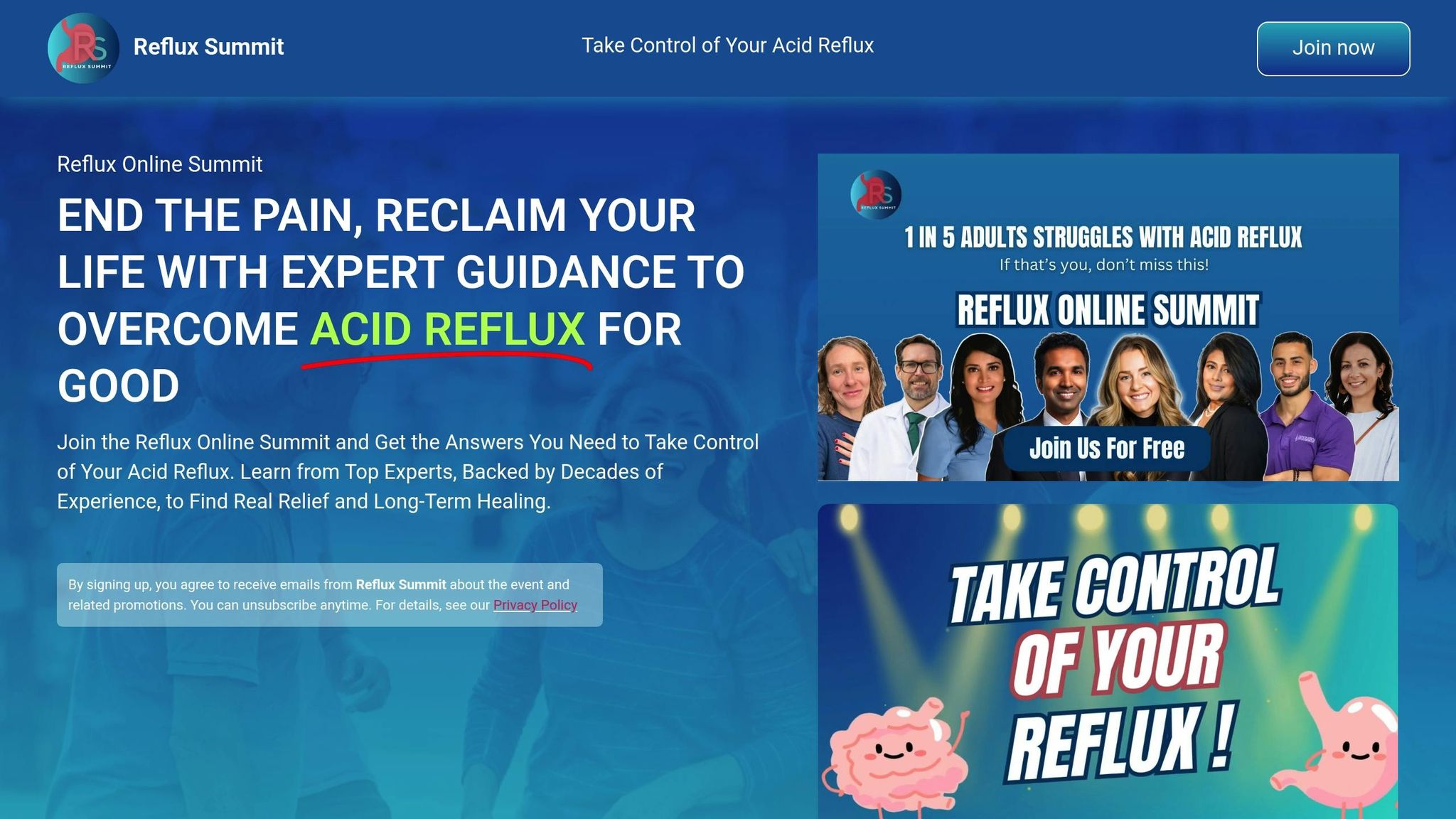
The Reflux Online Summit is a specialized program that connects participants with leading experts to tackle acid reflux and related digestive issues. Founded by Josef Kreitmayer, the summit focuses on identifying root causes through advanced diagnostics and offers practical, evidence-based solutions for lasting relief.
"End the Pain, Reclaim Your Life with Expert Guidance to Overcome Acid Reflux for Good" – Reflux Online Summit
A key focus of the summit is addressing DAO deficiency. Through discussions on histamine triggers, dietary adjustments, and integrative treatments, participants gain tools to manage this often-overlooked condition. This is particularly helpful for those whose reflux symptoms persist despite standard treatments.
The summit’s format brings together gastroenterologists, nutritionists, and integrative medicine practitioners. These experts provide insights into cutting-edge diagnostics, low-histamine diets, and holistic approaches to digestive health. This multidisciplinary angle is essential for managing conditions like DAO deficiency-related reflux.
Summit Topics and Content
The Reflux Online Summit dives into six main areas, all aimed at tackling DAO deficiency and refractory reflux. Here’s a breakdown of the key topics:
- Histamine Intolerance and Reflux: Experts share the latest research on how low DAO activity contributes to persistent reflux symptoms.
- Root Causes and Triggers: Sessions explore factors like genetic predispositions, medication interactions, and dietary habits that may impair DAO function, leading to histamine buildup and unresolved reflux.
- Diet and Nutrition Strategies: Practical advice on low-histamine diets, including meal plans and tips to spot hidden histamine sources, helps participants personalize their approach based on their unique needs.
- Integrative Treatments: From DAO supplements to medication adjustments, this section covers a range of natural and pharmaceutical options for managing DAO deficiency.
- Mind-Gut Connection: Stress management techniques like breathing exercises and relaxation practices are highlighted as essential tools for improving digestive health and enzyme function.
- Success Stories and Case Studies: Real-world examples illustrate how targeted interventions – like dietary changes and DAO supplementation – can significantly improve symptoms.
Accessing the Reflux Online Summit
The Reflux Online Summit offers flexible access options to meet different learning preferences and budgets. Participants can choose between free access or a premium package for a deeper dive into the content.
- Free Access: View three expert videos daily during the summit period, with each session available for 24 hours at no cost. This option offers valuable insights without any financial commitment.
- Premium Package: For $167, gain lifetime access to all summit materials, including expert videos, MP3 downloads, educational e-books, exclusive webinars, and an online community forum for peer support.
| Access Option | Price | Duration | Features |
|---|---|---|---|
| Free Access | $0 | Summit period only | 3 daily videos, 24-hour viewing window |
| Premium Package | $167 | Lifetime | All videos, MP3 downloads, e-books, webinars, community forum |
Registration is simple and available at refluxsummit.com. Payments are accepted via major credit cards, with pricing in U.S. dollars. The schedule and content are tailored for U.S. participants, using familiar formats like Fahrenheit for temperatures and MM/DD/YYYY for dates.
The premium package also includes downloadable guides, Q&A sessions with experts, and follow-up webinars to keep participants updated on new research and treatments. This ongoing support ensures individuals can refine their management strategies and stay informed about developments in the DAO-reflux connection.
For anyone dealing with refractory reflux and suspecting DAO deficiency as a factor, the summit offers actionable insights and strategies to discuss with healthcare providers, complementing medical treatment with practical, evidence-based solutions.
Conclusion: Treating DAO Deficiency for Long-Term Reflux Relief
DAO deficiency plays a crucial role in many persistent reflux cases, yet it often goes unnoticed. When standard acid-reducing treatments fail, elevated histamine levels caused by low DAO activity may be driving the lingering symptoms. In fact, studies reveal that 44% of adults have DAO levels that fall into the deficient range.
The link between DAO deficiency and reflux becomes clearer when histamine activates TRPV1 receptors in the esophagus. This activation triggers increased acid production and inflammation, even in patients using proton pump inhibitors. This mechanism sheds light on why some individuals continue to experience heartburn, acid regurgitation, and other digestive symptoms despite following conventional treatment plans.
Although diagnostic cut-off values for DAO levels have limitations, aligning test results with symptoms and dietary habits remains a vital step in identifying the issue.
A low-histamine diet is often the cornerstone of treatment. Not only does it serve as a therapeutic measure, but it can also act as a diagnostic tool when patients notice symptom relief. Adding DAO supplements and steering clear of substances that inhibit DAO activity further aids recovery.
Long-term management, however, requires a tailored approach. Addressing refractory reflux linked to DAO deficiency involves understanding its complexity – genetic predispositions, dietary triggers, medication interactions, and lifestyle factors all play a part. Education becomes a key component in navigating this multifaceted condition.
As highlighted by an expert:
"There is no one solution for everyone. Reflux is very individual. You want to find the right strategy that works for you." – Reflux Online Summit
This personalized perspective underscores the importance of resources like the Reflux Online Summit. By offering advanced insights into diagnostics and practical strategies for managing histamine intolerance and DAO deficiency, such tools empower patients and healthcare providers alike to craft effective, individualized plans for tackling stubborn reflux symptoms.
FAQs
Could my acid reflux be caused by DAO enzyme deficiency instead of common triggers?
If you’re dealing with acid reflux that doesn’t seem to improve with standard treatments, a deficiency in the DAO enzyme might be playing a role. The DAO enzyme is responsible for breaking down histamine in the body. When there’s not enough of it, histamine levels can build up, potentially triggering symptoms like persistent reflux that resists typical remedies.
To explore whether DAO enzyme deficiency could be the root cause, it’s worth talking to a healthcare provider. They might suggest tests to check your histamine levels or assess your enzyme activity. In many cases, managing this deficiency involves adjusting your diet to reduce histamine-rich foods or considering supplements. These steps could help ease reflux symptoms tied to excess histamine.
What dietary changes can help manage symptoms of DAO enzyme deficiency and persistent reflux?
If you’re dealing with DAO enzyme deficiency, tweaking your diet can make a difference. Foods high in histamine – like aged cheeses, fermented products, processed meats, and alcohol – are often best avoided. Instead, focus on fresh, minimally processed options. Think fresh fruits (steering clear of citrus), vegetables, and lean proteins.
For tailored advice, dive into expert resources on acid reflux, GERD, and similar conditions. These can offer practical, evidence-based strategies to help you find relief.
How can DAO enzyme deficiency be diagnosed, and does it play a role in managing refractory reflux?
DAO, or diamine oxidase, enzyme deficiency can be detected through specialized blood tests that evaluate DAO activity levels. When DAO activity is low, it may signal a reduced ability to break down histamine, potentially contributing to symptoms such as persistent reflux. Although these tests are not yet a common part of standard reflux diagnostics, they can offer helpful insights for those who suspect histamine might be playing a role in their symptoms.
If you believe DAO deficiency could be impacting your reflux, it’s a good idea to consult a healthcare professional. They can discuss testing options with you and recommend possible treatments, such as dietary adjustments or supplements aimed at supporting histamine breakdown.